
Last updated November 21, 2026
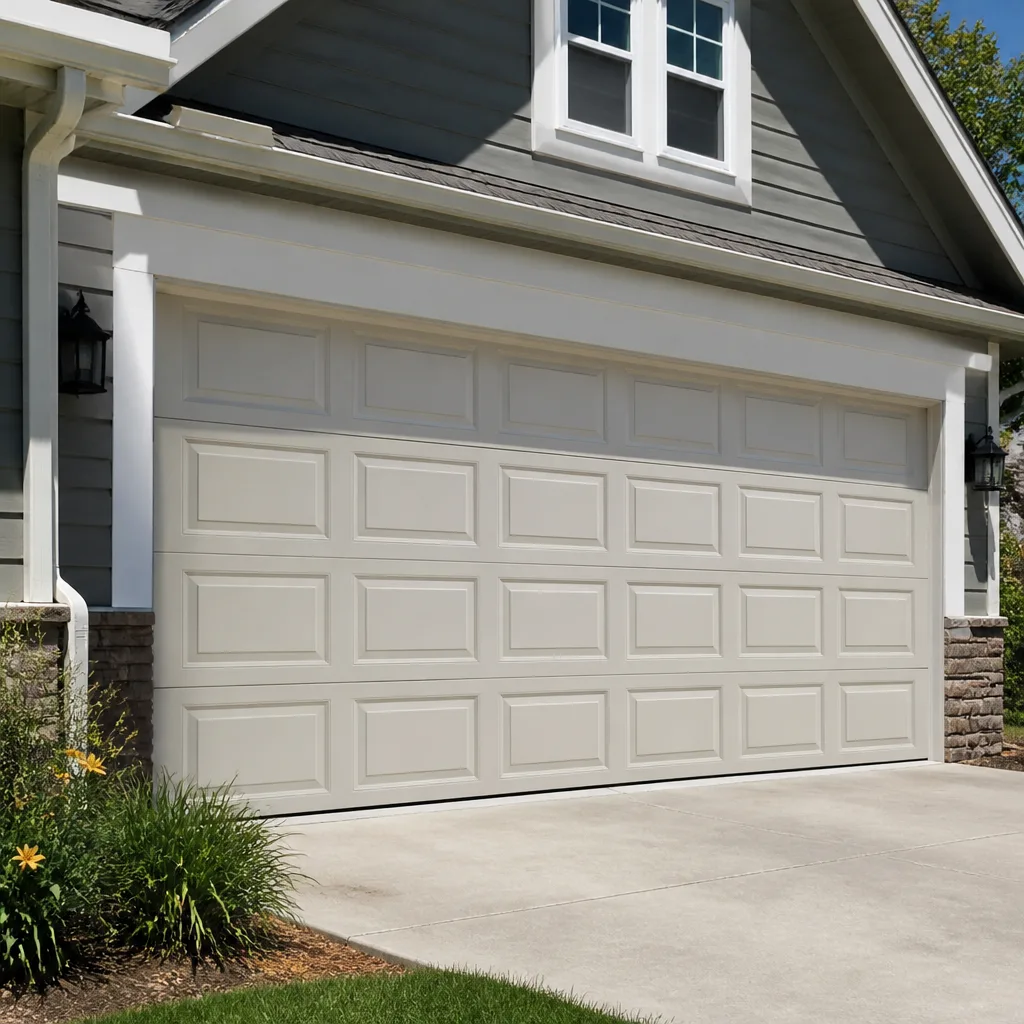 Raised-panel steel
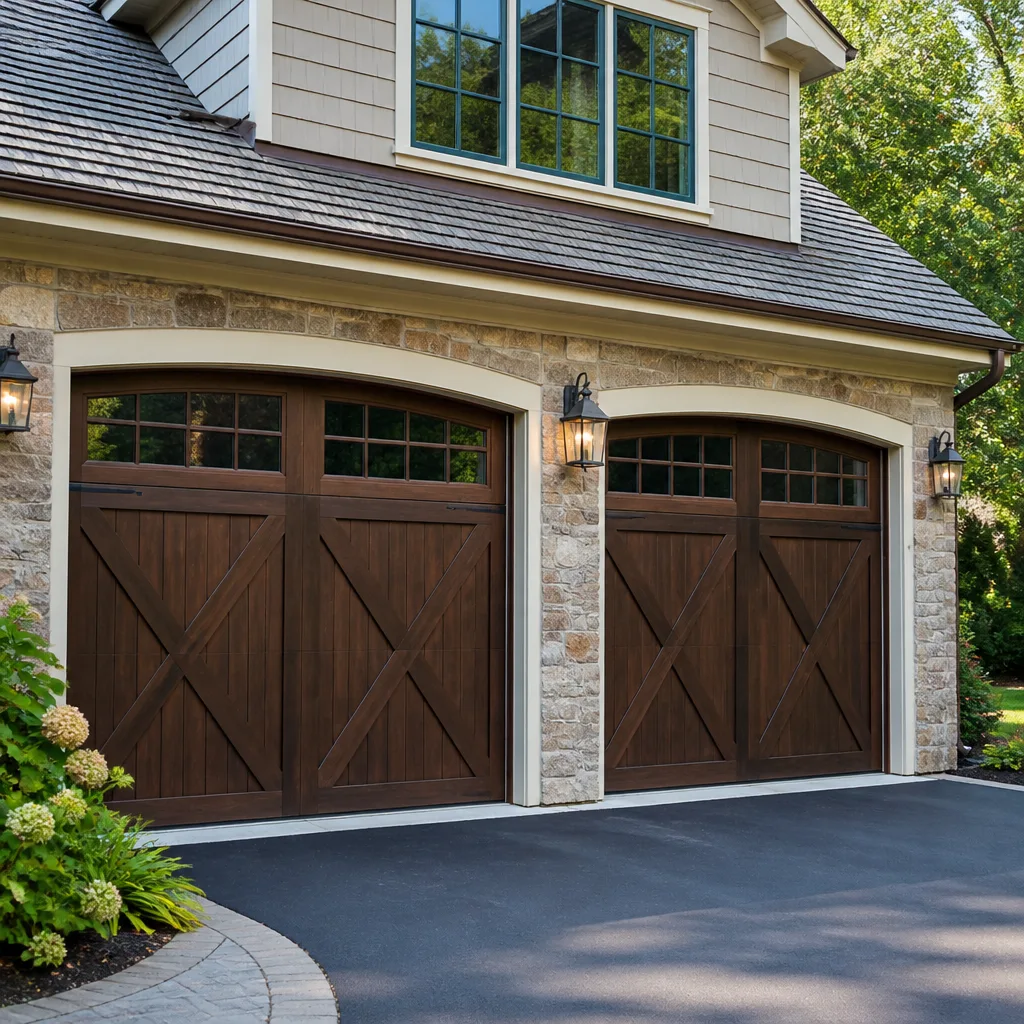 Carriage house
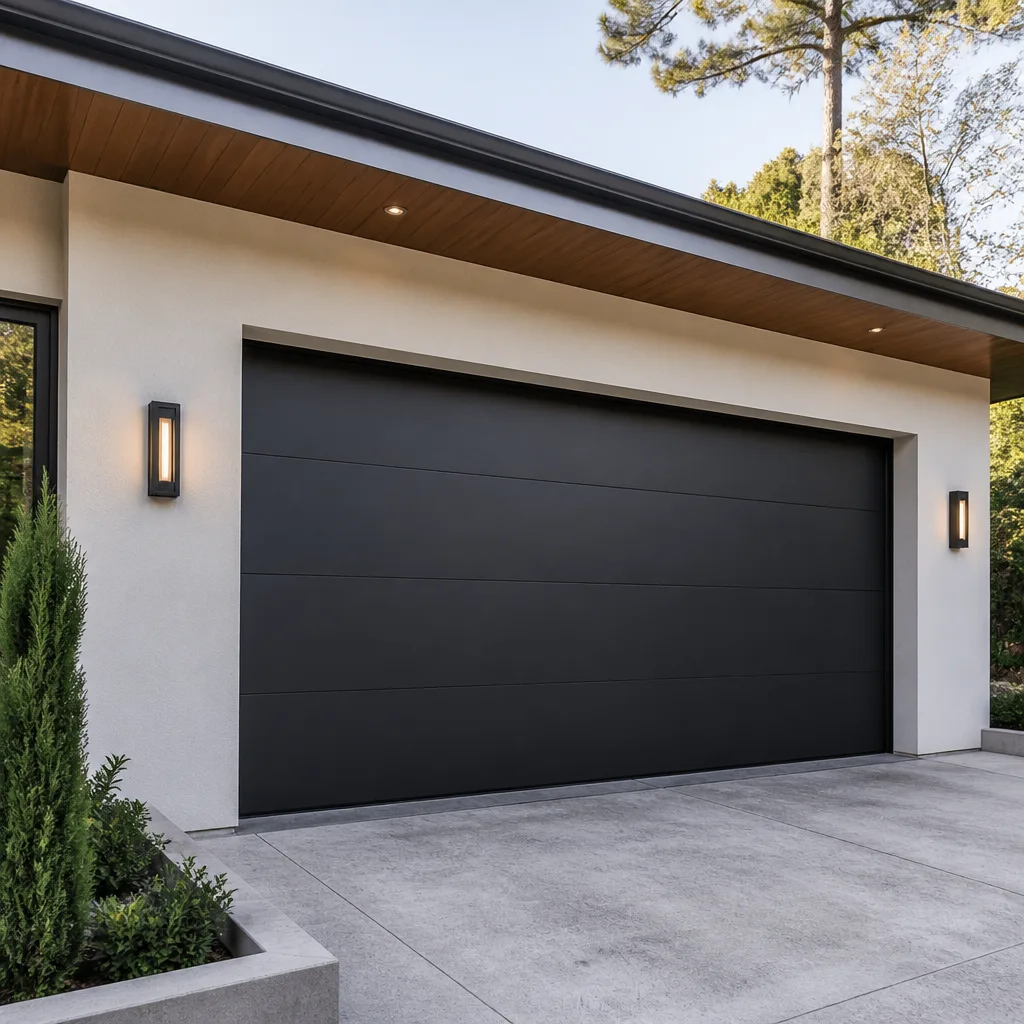 Modern flush
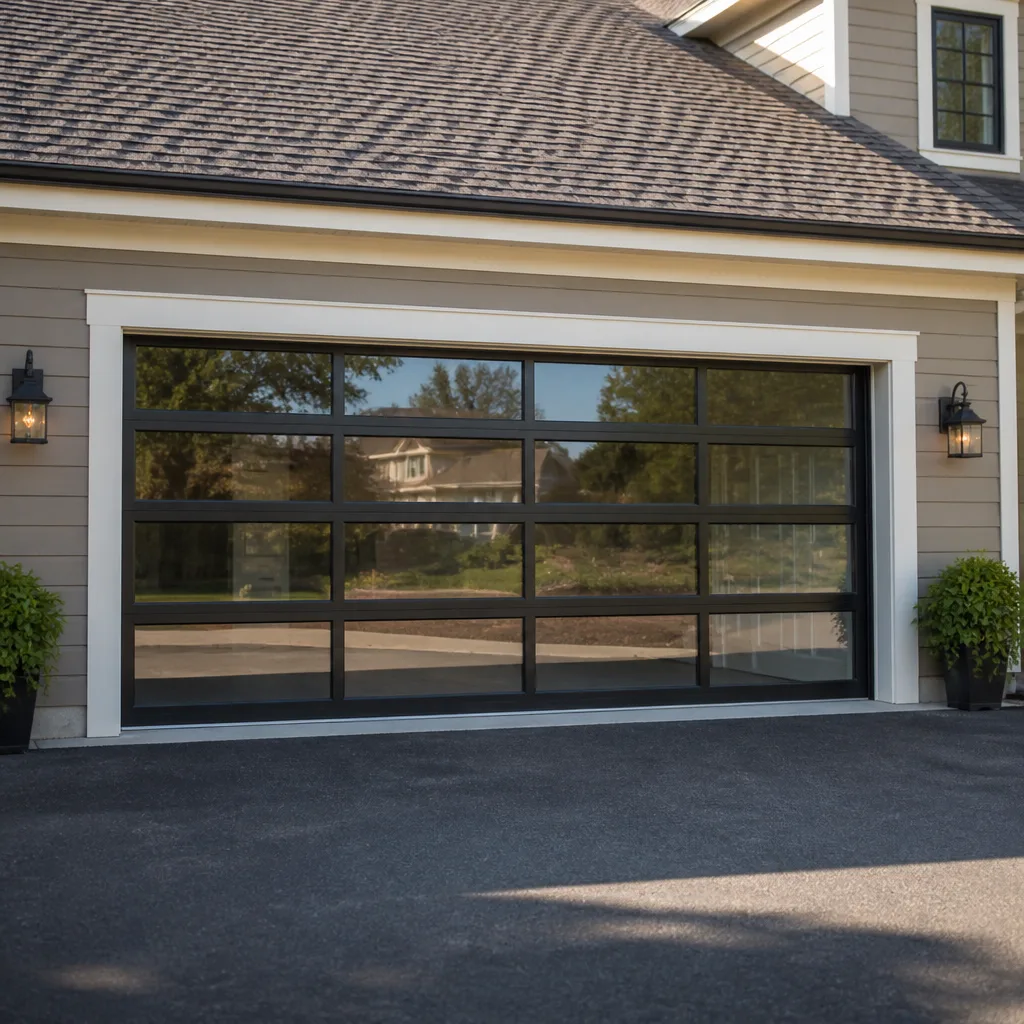 Full-view glass
 LiftMaster openers
 Chamberlain openers
Full 25-point door and opener safety check with every visit - springs, cables, rollers, tracks, and your LiftMaster or Chamberlain opener included
You get a price before we start. It does not change when the pro arrives.
Get your free estimateGarage Door Warning Signs: A Hilltop Homeowner’s Reference Guide
A garage door that hesitates for two seconds before it moves isn’t “just slow.” That pause is the opener working near the top of its force threshold, and in most cases it means a spring system has lost tension and is starting to push its load onto the motor. The motor wasn’t built for that load, so it compensates, heats up, and wears faster until something gives. Most failures in a Hilltop garage send out signals like this days or weeks before they break. We wrote this guide so you can read those signals as diagnostic data instead of background noise. You’ll learn what each sound points to, how movement patterns map to specific components, and the line between a sign you can watch and a sign that means stop using the door.
Quick Answer
The main garage door warning signs are unusual sounds (grinding, popping, squealing, rattling), uneven or hesitant movement, a door that reverses before closing, and visible damage to springs, cables, rollers, or tracks. Sounds and small alignment issues usually mean you can keep using the door while you schedule service. A snapped spring, a frayed cable, or a door that won’t stay up on its own means stop using it and call a professional.
Styles & brands we work with
- Raised-panel steel
- Carriage house
- Modern flush
- Full-view glass
- LiftMaster openers
- Chamberlain openers
Table of Contents
- What the Sounds Coming From Your Garage Door Actually Mean
- Reading Your Door’s Movement Patterns
- The Visual Inspection Checklist: What Worn Really Looks Like
- Watch-and-Schedule vs. Stop Using the Door Immediately
- Using Opener Behavior as a Diagnostic Tool
- How Hilltop Weather and Housing Age Shape the Warning Signs You See
- A Seasonal Walk-Around for Hilltop Homeowners
- What Repair Usually Looks Like and How to Decide Between Fixing and Replacing
What the Sounds Coming From Your Garage Door Actually Mean
Every sound a garage door makes comes from a component under load. Learn to separate them and you’ve done half the diagnostic work before anyone picks up a wrench. A quiet door is a door whose parts are all moving as designed.
- Grinding: Metal-on-metal contact, usually at the rollers or the torsion shaft bearings. When a roller’s bearing seizes, the roller stops rolling and starts scraping along the track. Left alone, it wears a groove into the track and the door begins to bind.
- Popping: Often a torsion spring that’s slipping on its shaft, or a cable jumping off a drum. Popping is the sound that most reliably tells you to stop and get the door looked at – a spring under tension releasing suddenly is how people get hurt.
- Squealing: Bearing or roller friction, sometimes a dry hinge. Squealing is the least urgent of the four, but it’s also the easiest to correct and the one that tells you the door’s lubrication has lapsed.
- Rattling: Loose hardware – hinges, brackets, the bolts that hold panels together. A door that rattles on the way up usually has a fastener backing out, which changes how the panels carry load.
In our experience, sounds cluster. A grinding door often has a seized bearing and a worn track at the same roller. A popping torsion spring usually comes with cable slack on that side. When we hear two sounds together, we’re usually looking at one component that’s been failing for a while and has started to affect its neighbors.
If the sound is a loud pop followed by the door refusing to lift, the spring has likely failed. That’s a stop-use situation, and spring replacement is work for a trained technician, not a weekend project. High-tension torsion springs store enough energy to do serious damage if you don’t know how to handle them.
Reading Your Door’s Movement Patterns
How a door moves tells you as much as how it sounds. Watch the door on its next cycle and note anything that doesn’t look smooth. Movement diagnostics break down into four common patterns.
- The door hesitates before lifting. This is the two-second pause from the top of this guide. It’s usually a spring that’s lost tension, and the opener is compensating. The fix is nearly always spring-side, not opener-side.
- The door lifts unevenly – one side higher than the other. This points to unequal spring tension, a cable that’s stretched or jumped a drum, or a roller that’s coming out of its track. Uneven lift is a structural warning, because the door frame is now carrying load it wasn’t designed to carry.
- The door stops partway up or down. If the opener cuts out mid-travel, check whether the door binds when you release it (with the opener disengaged). If the door binds by hand, it’s a door problem – track, roller, or spring. If it moves fine by hand, the issue is likely in the opener’s force settings or travel limits.
- The door reverses before it closes. Your opener’s safety sensors are interrupting the close cycle. In many cases the sensors are simply misaligned or obstructed, but if they’re clear and aligned and the door still reverses, the door’s close path may be binding or the opener’s travel limits may be off.
If you live near the older housing stock close to the main crossroads in Hilltop, you’re probably working with a heavier wood-panel door on steel tracks. Those doors put more load on the springs than a modern insulated steel or aluminum door does, which means a spring that’s losing tension shows up faster. A lighter modern door can hide that pattern for weeks before you notice the hesitation.
The Visual Inspection Checklist: What Worn Really Looks Like
You don’t need tools for a visual inspection. You do need to know what “worn” looks like on each component, because “looks fine” is how hidden failures start. Here’s what to actually check, and what each fault looks like.
Springs
On a torsion spring (the coil above the door on a metal shaft), a visible gap in the coil is the tell. A spring that’s failed usually shows a clean break, but a spring that’s about to fail often shows a subtle separation in one coil. If you look at the spring from directly below and see daylight through a coil, that’s a warning. Extension springs (the ones that run alongside the door on tracks) may show a stretched gap near the ends or visible rust along the coil. Never touch a spring under tension – the stored energy releases instantly if it fails under your hand.
Cables
A healthy lift cable is a tight, even wind on its drum with no frayed strands. A worn cable shows fraying near the drum or the end fitting, or a loop of slack where there should be tension. Slack cables are dangerous because the door can drop suddenly when load shifts. If you see slack on either side, stop using the door.
Rollers
A healthy steel or nylon roller spins freely in its bracket with no wobble. A worn roller wobbles on its shaft, flat-spots on one side, or fails to turn at all. Rollers are cheap and easy to swap – the risk is that a seized roller is already scraping the track, so check both together.
Tracks
Tracks should be smooth and straight, with no dents, kinks, or dings. A dent in the track catches a roller and forces the door to bind. If you can see the track has been bent, it’s time to have it straightened or replaced – the door won’t run true no matter what you do to the opener.
For a deeper walkthrough on any component that needs repair, our team handles garage door repair for every system we find worn during a diagnostic visit.
Watch-and-Schedule vs. Stop Using the Door Immediately
The most useful distinction in this guide is between the warning signs you can note and schedule, and the ones that mean park the car outside and stop using the door. Getting this wrong in either direction costs you more than a service call.
Watch and schedule:
- Squealing or mild rattling
- Grinding that hasn’t yet dug into the track
- A door that hesitates but still fully opens and closes
- Small alignment drift – the door closes but not perfectly centered
- Any single sound you can’t place, but the door is working
Stop and call:
- A loud pop followed by the door not lifting
- A spring with a visible break, gap, or separation
- A frayed or slack cable
- The door won’t stay up when you lift it by hand
- The door is visibly off its track
- The door falls faster than normal when closing
The reason we separate these so firmly is mechanical: a spring or cable failure releases energy in a fraction of a second. A door under load has hundreds of pounds of moving weight on it. When a spring fails, everything above the door has to absorb that load instantly, and that’s the situation that bends tracks and breaks openers.
This is also why spring repair sits at the center of what we do rather than on the edge of it. Those torsion and extension springs are the most mechanically dangerous components in a residential door, and a technician trained to them handles them by feel – not by guesswork.
Using Opener Behavior as a Diagnostic Tool
Modern openers have become better diagnostic instruments than most people give them credit for. A LiftMaster or Chamberlain unit that’s flashing an error code isn’t just telling you something about the opener – in a large share of cases, it’s telling you something about the door.
Here’s how to use the opener as a signal.
- Count the flashes. Most current openers flash a repeating pattern that corresponds to a specific condition. Check the owner’s manual for your model – a Chamberlain that flashes a set number of times is usually reporting a sensor or force-detection fault, not a motor fault.
- Watch the wall control light. A solid light usually means the opener is powered and waiting; a blinking light usually means a fault was detected. Note the pattern before you reset anything.
- Disengage the door and test by hand. Pull the release cord, then lift the door. If the door moves smoothly, the opener is likely the problem. If the door fights you or won’t stay up, the door or spring system is the problem – and the opener was only reporting it.
- Check the safety sensors. A misaligned or dirty sensor mimics an opener failure more often than any other single cause. Clean the lens and make sure the two eyes are lined up.
The point of reading the opener this way is to avoid replacing a motor that isn’t broken. If an opener is flashing a code and running hot, in our experience that’s usually the door’s weight transferring to the motor – not the motor failing on its own. If garage door opener repair turns out to be the real fix, we’ll say so. But too often the opener gets replaced and the door keeps eating motors until the underlying door problem gets addressed.
Brands matter here. A Genie unit and a Raynor door report their problems differently and wear in different ways. We work with the brands already in Hilltop garages – LiftMaster, Chamberlain, Genie, Clopay, Amarr, Wayne Dalton, Craftsman, and Raynor – which means the door model in your garage isn’t a mystery when we arrive.
How Hilltop Weather and Housing Age Shape the Warning Signs You See
Garage doors react to their environment more than most homeowners expect. Hilltop’s mix of cold winters and warm summers puts the door system through a real temperature swing twice a year, and that swing is where a lot of the warning signs originate.
In cold snaps, steel contracts and wooden panels shrink. That’s when a hinge that was tight in September starts rattling in January. Torsion springs lose a fraction of their stored tension in cold weather, which is why a door that felt smooth in fall can feel labored on a frost morning. The pause we described at the top of the guide is most likely to show up in cold weather for exactly that reason.
Summer brings the opposite: expansion, which can bind rollers in tracks that fit cleanly in winter. If your Hilltop door is sticky only on hot days, that’s a sign the tracks should be checked for fit.
Housing stock adds another layer. Homes near the center of Hilltop, closer to the older commercial blocks, tend to have either wood-panel doors on steel tracks or older single-panel tilt doors. Both carry more load than a modern sectional. That higher load-on-spring means early warning signs – the hesitation, the grinding at a roller – show up sooner and progress faster than on a modern lightweight door. Hail isn’t a regular problem here, so when we see damage to the face of a door, it’s more often impact from something struck against it or long-term wear at the joints than a storm event.
A Seasonal Walk-Around for Hilltop Homeowners
Fifteen minutes twice a year catches most of what this guide describes. Run this walk-around on your own each spring and fall and note anything that changed. It’s the single easiest way to catch a warning sign before it turns into a repair.
- Listen. Open and close the door once, slowly, and stand outside. Don’t fill the silence with music. Note every sound and whether it’s new since your last check.
- Watch the door’s edge. Follow the door from floor to ceiling with your eyes. Note the gap at each side – if one side’s gap is wider than the other, look at spring tension and cables.
- Test the balance. Disengage the opener, lift the door by hand to about waist height, and let go. A balanced door stays put. A door that drops by itself means the springs are losing tension. Never do this if the door already looks unstable or a spring looks broken.
- Look at the spring. From below, look for a gap in the coil. From the side, look for rust. Don’t touch it.
- Look at the cables. Follow each cable from the drum to the bottom bracket. Look for fraying, slack, or a wrap that looks uneven.
- Look at rollers and tracks. Check each roller for wobble and each track for dents. Run a clean cloth along the inside of the track – a cloth that catches or comes up with metal shavings is a sign the roller is grinding.
- Check the opener. Look for flashing codes, listen for the motor sounding strained, and test the safety sensors by placing an object in the beam’s path before closing.
Note what you find. Dates help. A grinding that only shows up in January, a hesitation that disappears in mild weather, a rattle that’s louder after a cold snap – these patterns narrow the diagnosis when a technician arrives.
What Repair Usually Looks Like and How to Decide Between Fixing and Replacing
Not every warning sign means a repair. Some mean a replacement. The distinction usually comes down to how many systems are worn at once, not the amount of any one repair. Our rule of thumb: if two or more major systems are failing at the same time – spring plus opener, or door panels plus cables – the math starts to favor a full replacement.
We give repair estimates per job after seeing the door, so the number we give is the number you’re quoted, and it’s agreed before any work starts. Nothing gets added on the invoice afterward. A written estimate matters here because the cost of repair depends on the door type, the number of springs, the brand of opener, and how much collateral damage the failed component caused.
Replacement makes more sense when:
- The door is a single-panel tilt design and you want a modern sectional
- Multiple panels are dented or the frame is out of square
- The opener is a legacy model that can’t be repaired to current connectivity standards
- You want an insulated door for a heated or attached garage
For a full new door, we’re measuring and ordering rather than promising same-day work – replacement is scheduled, not same-day. Our garage door installation covers the full arc from measurement to the final alignment check. In Hilltop homes close to the older blocks, a right-sized modern door often means a lighter load on the spring system, which extends the life of everything downstream.
Common Mistakes to Avoid
- Treating a slow lift as normal. A door that hesitates is transferring strain to the opener. Waiting for the motor to fail costs you a second repair you didn’t need.
- Using WD-40 on the tracks. Track lubrication attracts dirt and makes rollers slip. Use a track-specific dry lubricant on rollers and hinges, and keep the tracks clean. Grease is for the torsion shaft bearings, not the tracks.
- Adjusting the springs yourself. Torsion and extension springs are under tension and can release that energy in an instant. Both need a trained technician and proper tools – a garage door spring failure can cause serious injury.
- Bumping the force adjustment when the door gets heavy. If the opener has to work harder, the door is the problem. Force settings on an opener should never be raised to mask a door issue, because the safety reverse becomes unreliable.
- Assuming every opener fault is the opener. A modern LiftMaster or Chamberlain that keeps reporting a force or travel fault is usually reporting a door problem. Replacing the opener first often just resets the clock.
- Skipping the balance test in winter. A cold-weather hesitation is easiest to spot in the balance test, and it’s the test most Hilltop homeowners skip because it feels less urgent than a sound.
- Ignoring a single rattling hinge. A loose hinge changes how panels carry load and eventually works a screw loose from the stile. It’s a cheap fix when it’s just a hinge, and a much bigger one once the panel has shifted.
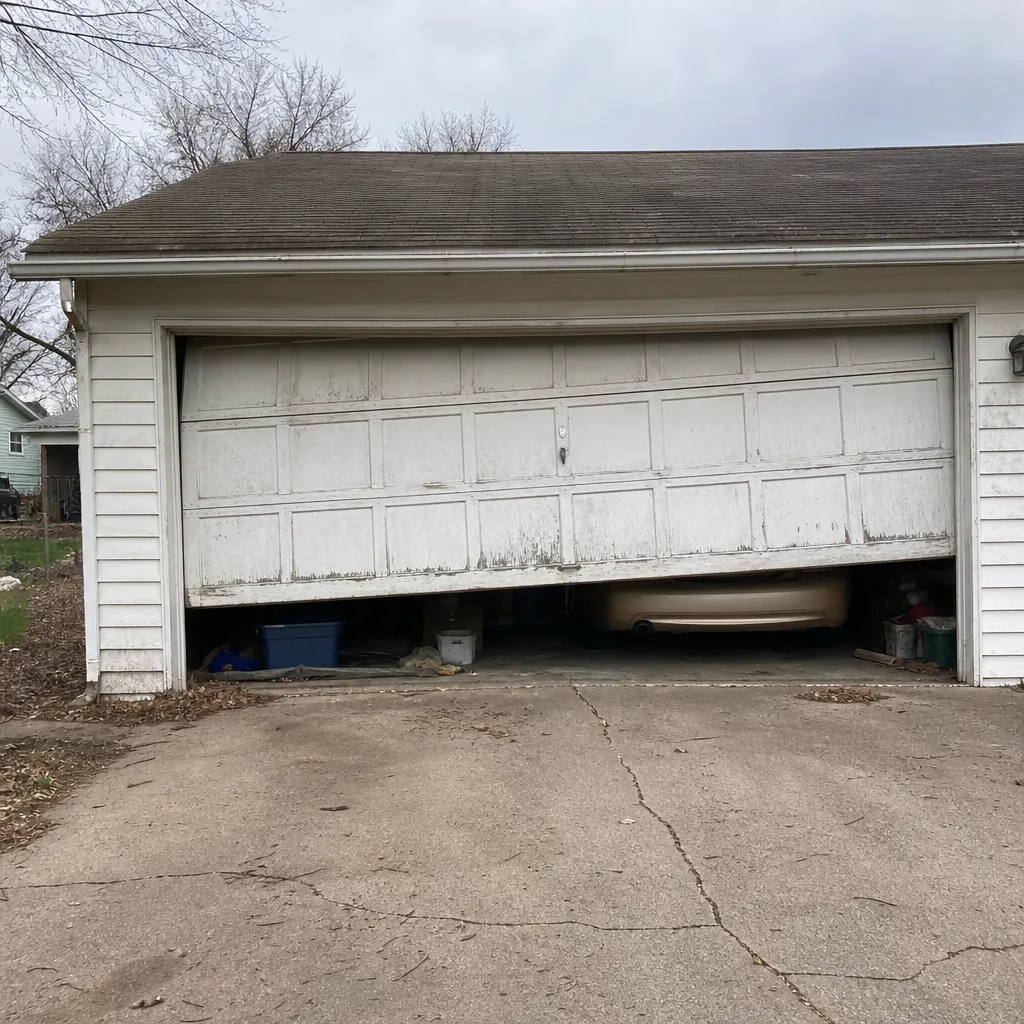
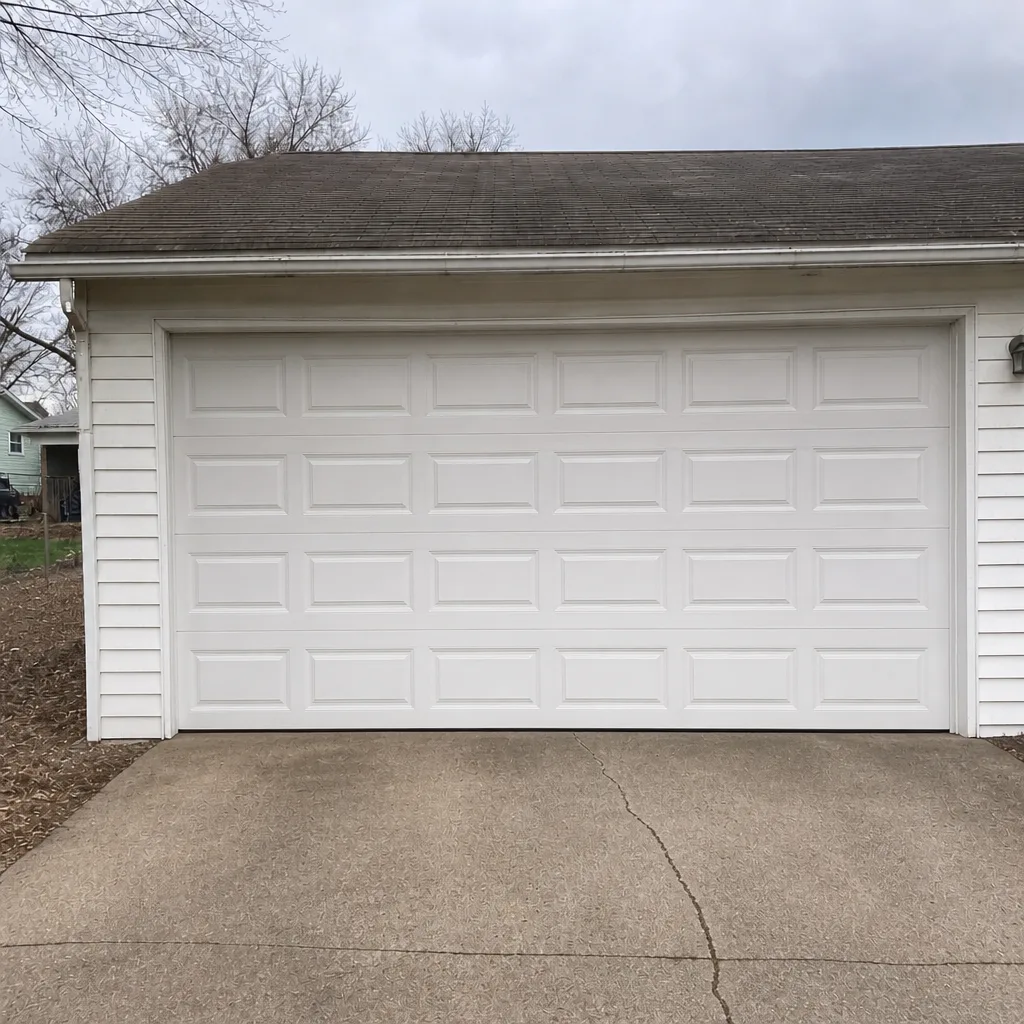
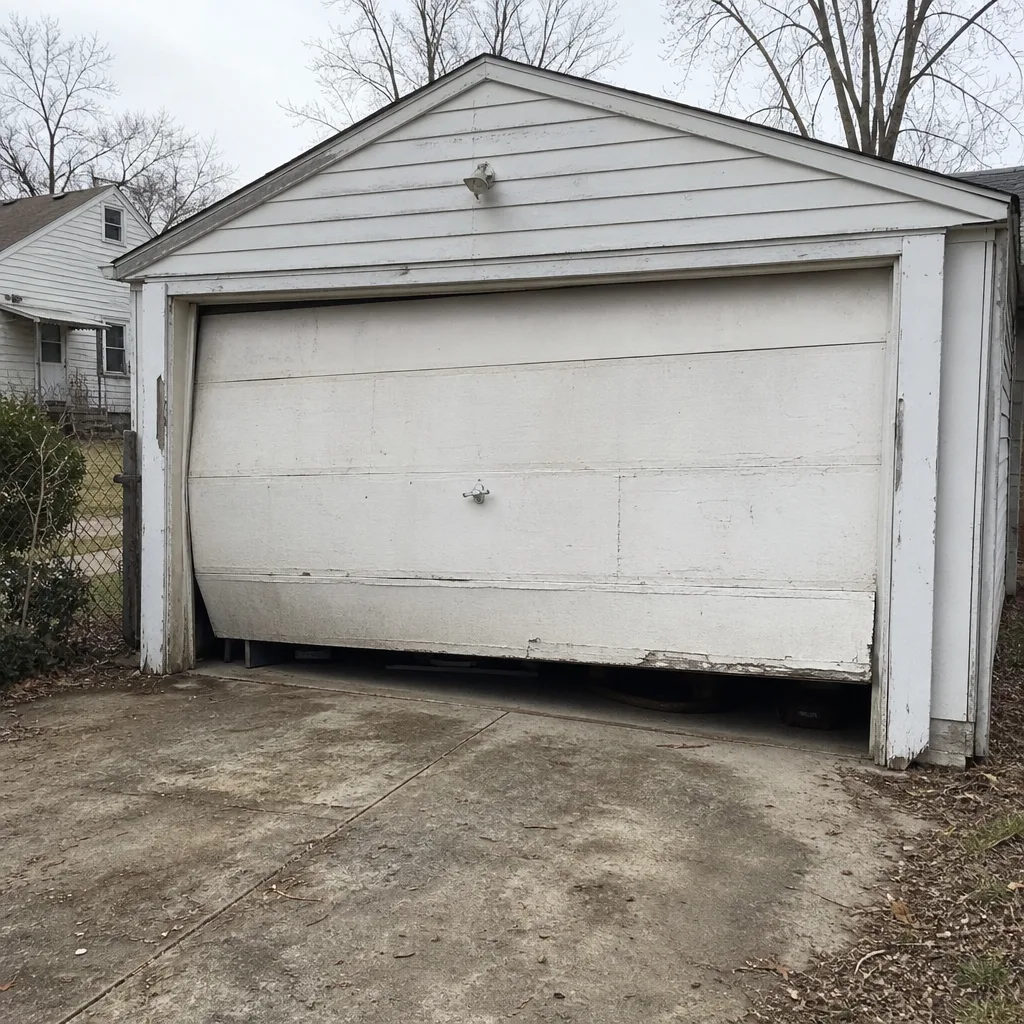
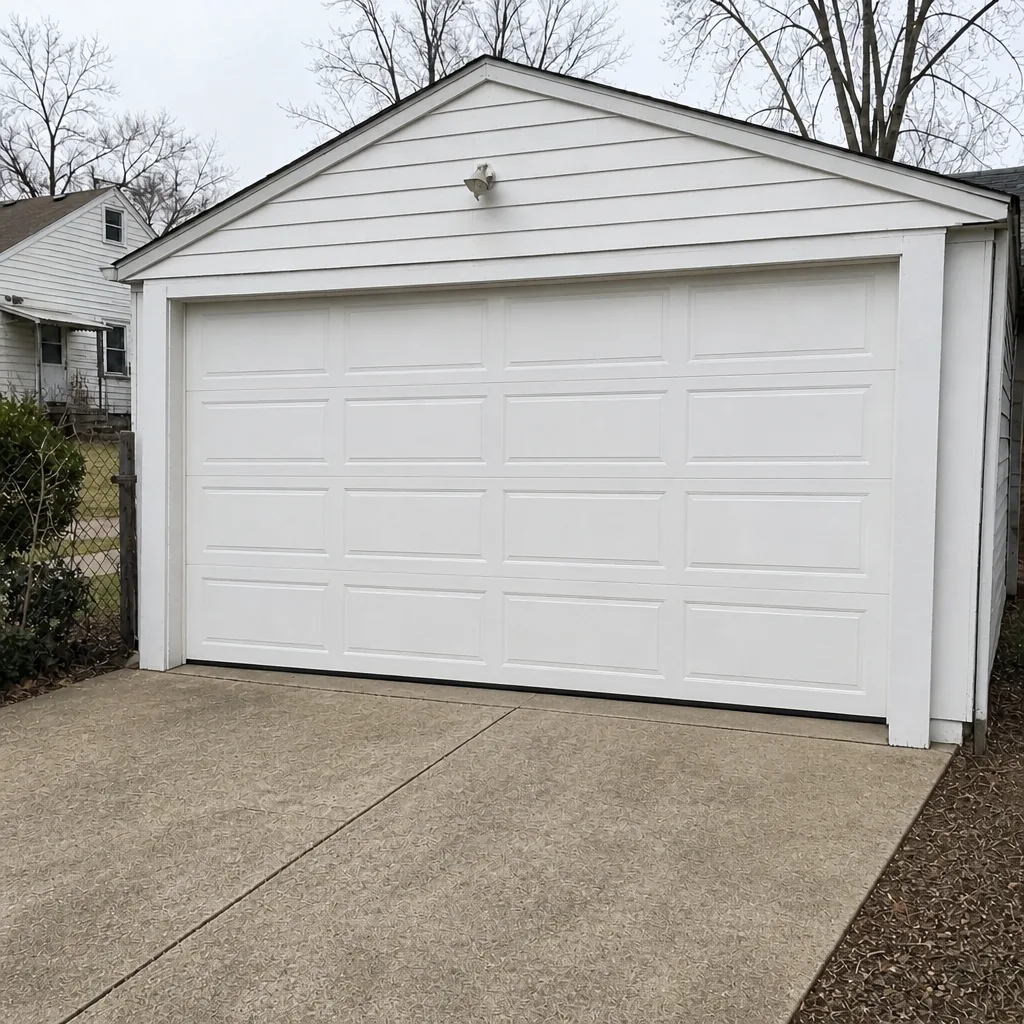
See the difference
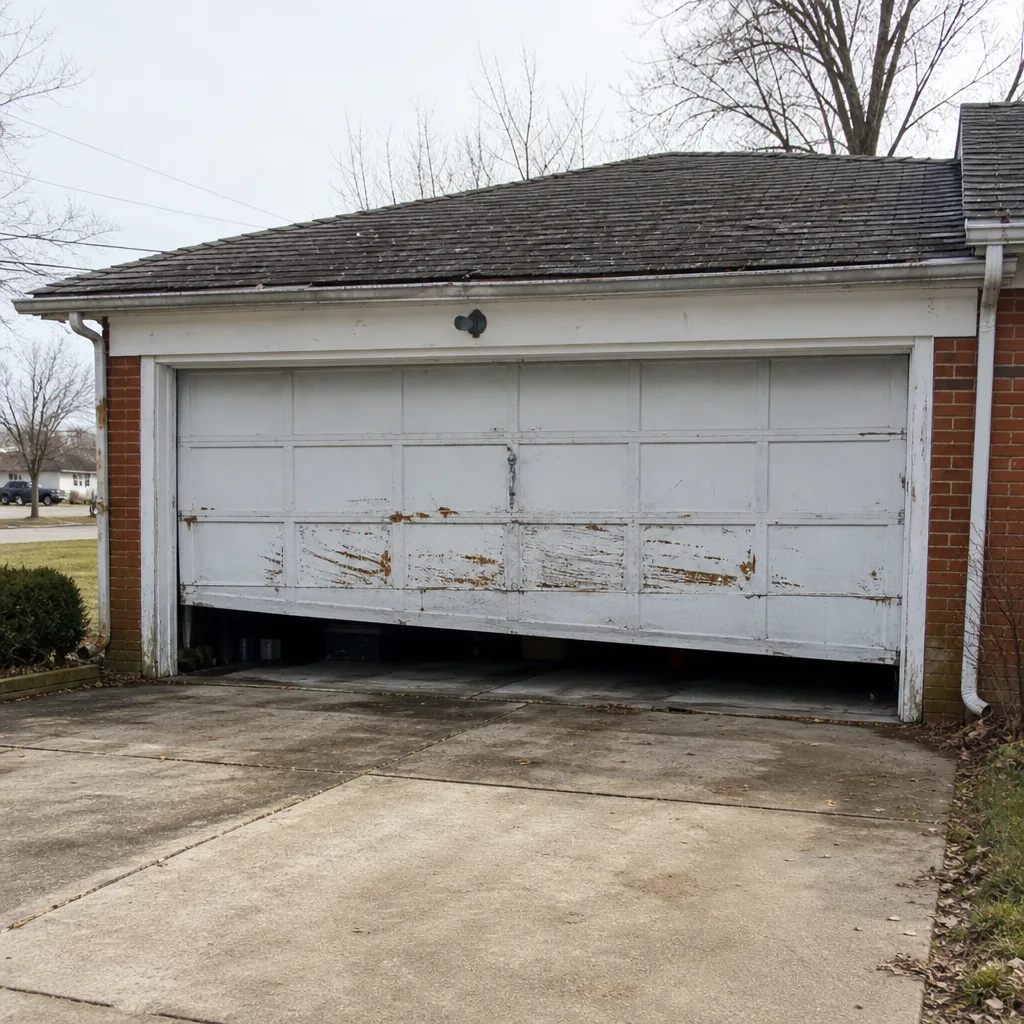 Before
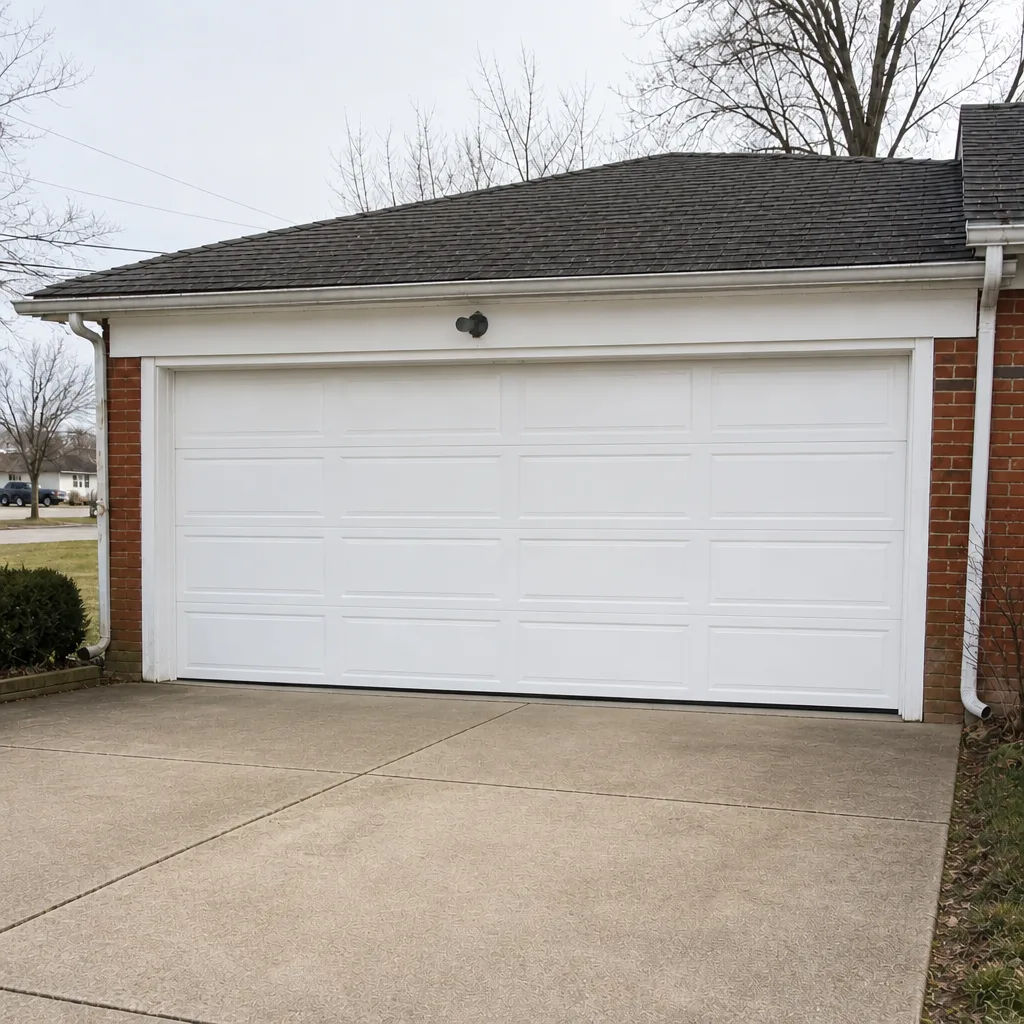 After
 Before
 After
 Before
 After
When to Call a Professional
Call a professional the moment any of these happens in your Hilltop garage: a loud pop followed by the door not lifting; a spring with a visible gap or break; a frayed or slack cable; a door that won’t stay up when you lift it by hand; a door off its track; or the door dropping faster than it should. Those are stop-use conditions. For the watch-and-schedule signs – sounds, minor alignment drift, a hesitant lift, a rattling hinge – the right move is scheduling the diagnostic before the small issue turns into a larger one. Springs and cables are dangerous to work on yourself, and adjusting them is not a job to take on without training. Garage Door Repair Hilltop offers free estimates in Hilltop – call (866) 558-3346. Our technicians have up to 8 years of experience with the brands already in your garage.
Frequently Asked Questions
A slow start before the door lifts, grinding or popping sounds, a door that closes unevenly, and visible spring or cable wear are the most common warning signs we see in Hilltop. Most of them show up in cold weather first, because the door’s springs lose some tension in the cold and the door’s movement becomes harder to hide. Call (866) 558-3346 for an exact quote – estimates are free.
No – popping usually means a torsion spring is slipping or a cable is about to fail, so stop using the door until a technician has looked at it. The energy held in a torsion spring releases instantly when it fails, and being under the door when that happens is how people get hurt. Call (866) 558-3346 for an exact quote – estimates are free.
No, the written estimate is the price, and we agree it with you before any work starts. We give repair estimates per job after seeing the door, so there are no surprise additions on the invoice. Call (866) 558-3346 for an exact quote – estimates are free.
Disengage the opener and lift the door by hand: if it moves smoothly and stays where you leave it, the opener is the likely problem, but if it fights you or drops, the door and spring system are the issue. That single test resolves most of the “is it the opener?” questions before we arrive. Call (866) 558-3346 for an exact quote – estimates are free.
Yes, the local professional we connect you with is licensed and insured as Ohio requires. Our technicians have up to 8 years of experience and we work with the brands already in your garage, including LiftMaster, Chamberlain, Genie, and Raynor. Call (866) 558-3346 for an exact quote – estimates are free.
Yes, in most cases we can dispatch a technician for a same-day repair on a dead door. We answer 24/7 and dispatch from 7am to 7pm, Sunday through Friday. Call (866) 558-3346 for an exact quote – estimates are free.
The Bottom Line
Garage door failures rarely start with a bang. They start with a sound you heard last week, a hesitation you noticed in January, a spring you never looked at from below. Treat those as data and you’ll catch most failures before they cost you a motor, a track, or a door. The signs that mean stop using the door are concrete: a broken spring, a frayed cable, a door that won’t stay up, a door off track, a loud pop followed by a door that won’t move. Everything else is a schedule-it-now problem. If you’re not sure which side of that line you’re on, call. That’s what we’re here for, and the diagnosis is straightforward.
Call (866) 558-3346. We answer 24/7. Fast dispatch from 7am to 7pm, Sunday through Friday. Visit Garage Door Repair Hilltop for our full range of services.
Written by the team at Garage Door Repair Hilltop.