
Last updated November 21, 2026
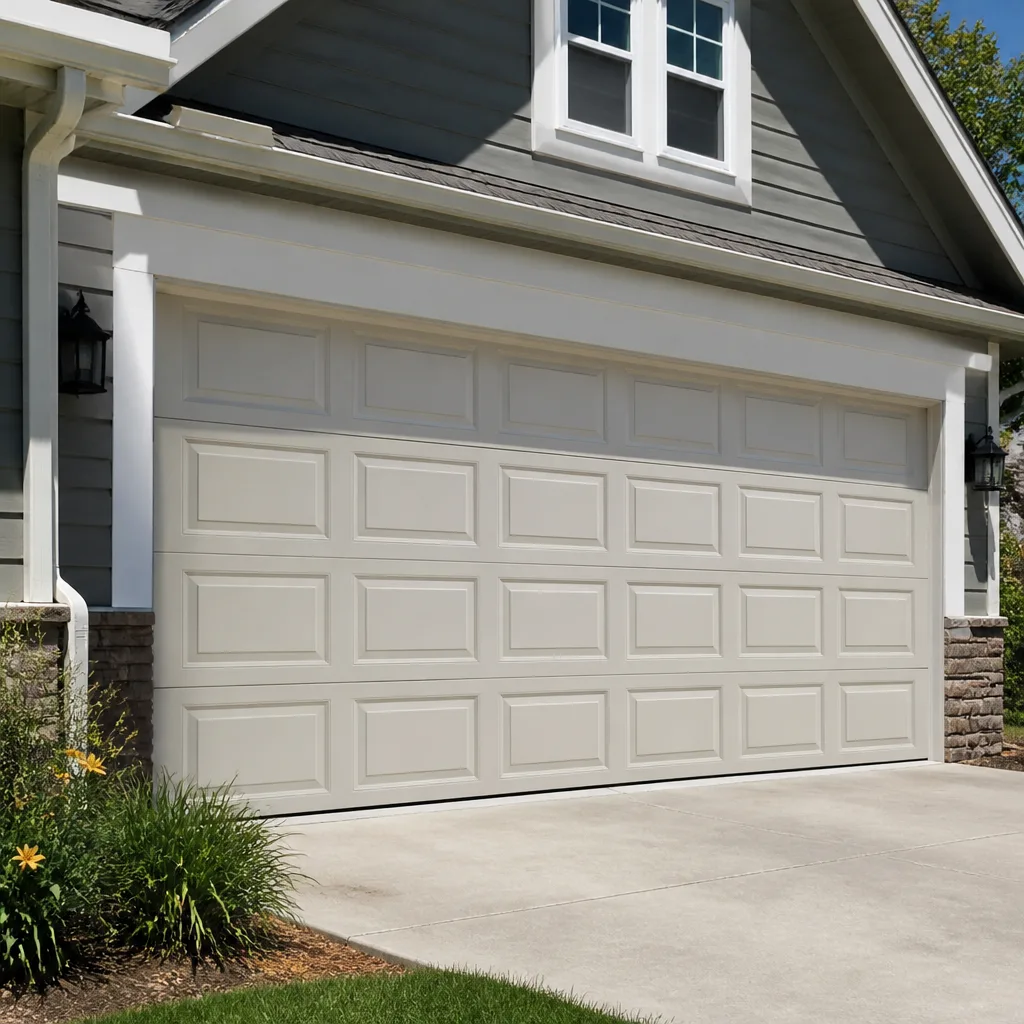 Raised-panel steel
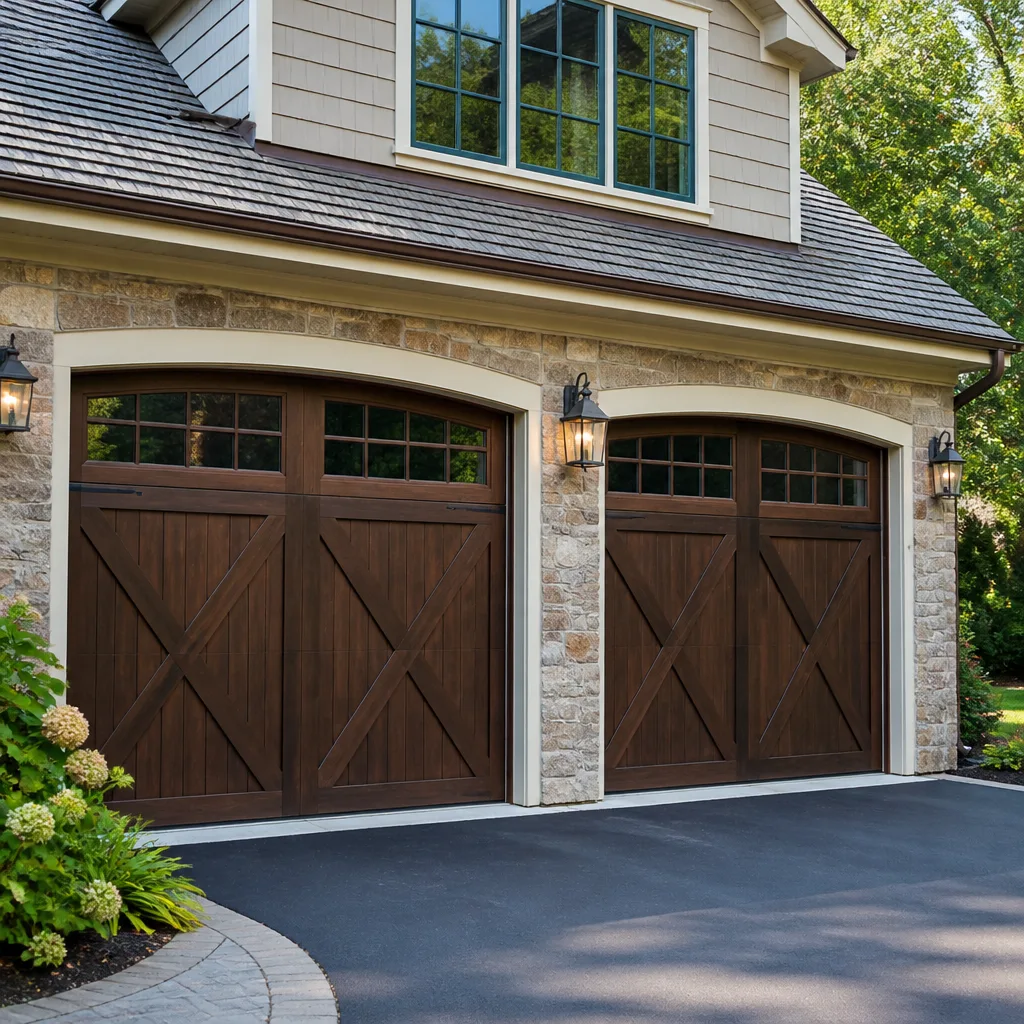 Carriage house
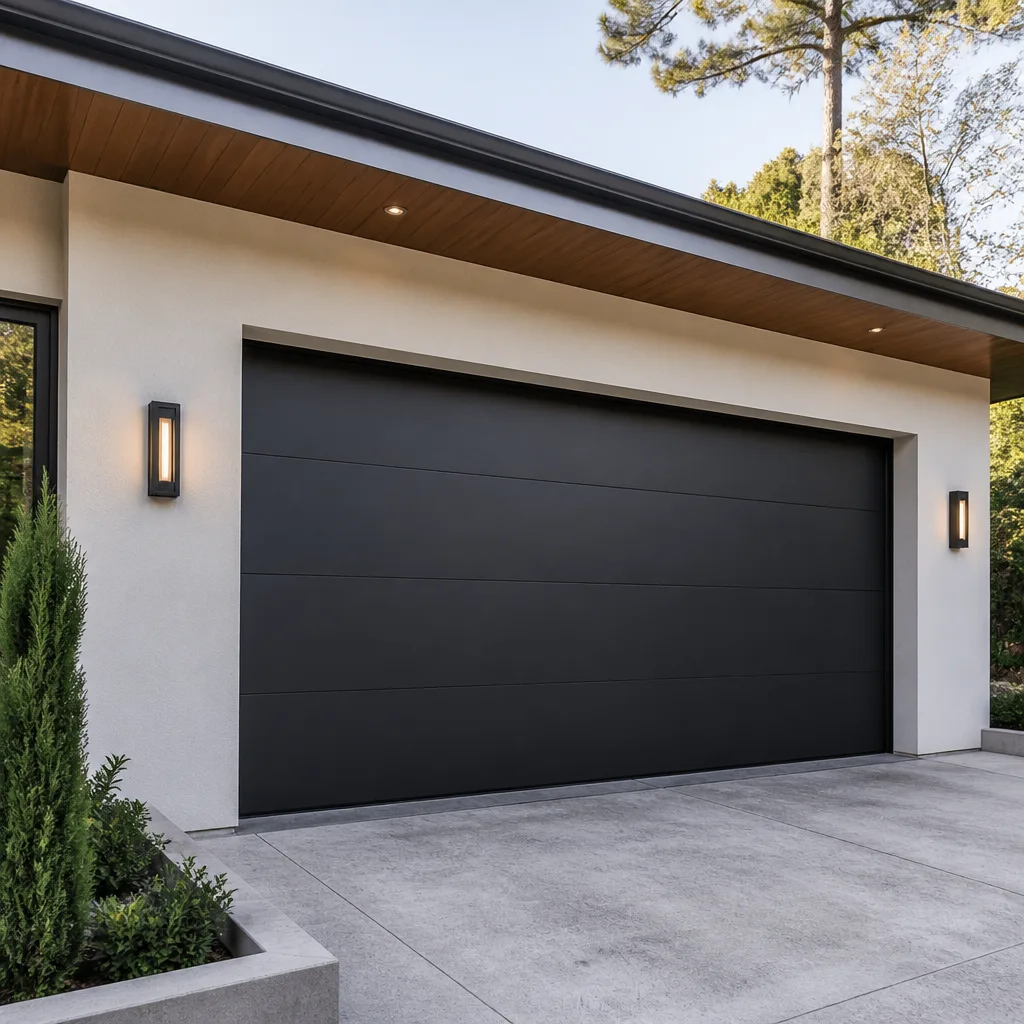 Modern flush
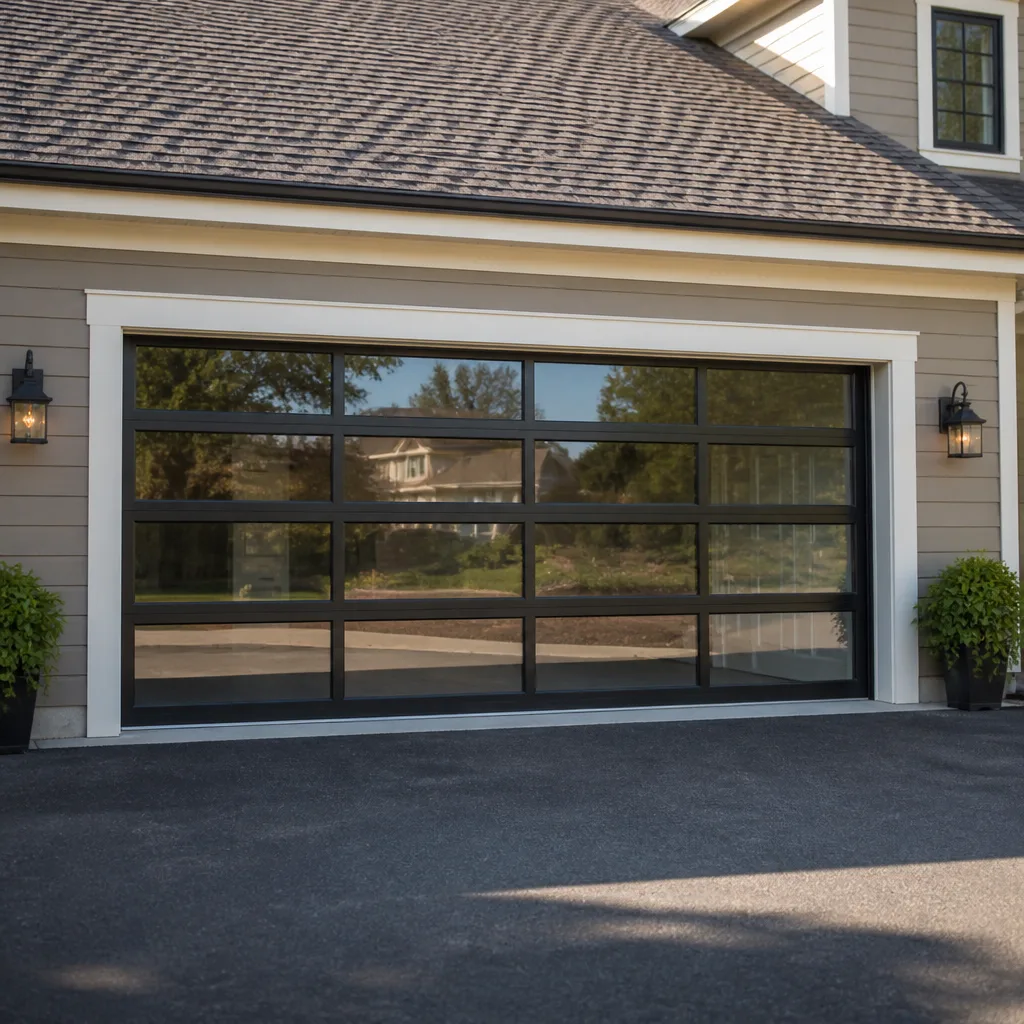 Full-view glass
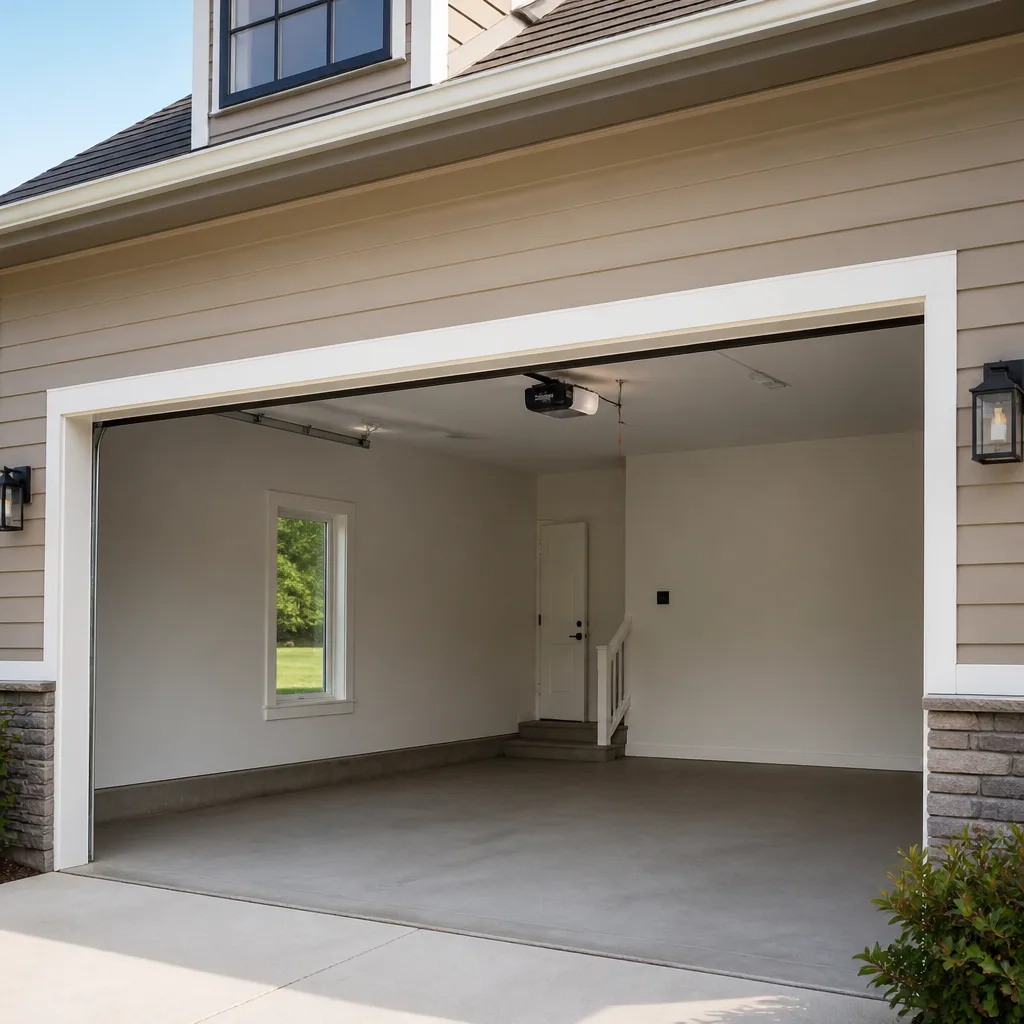 LiftMaster openers
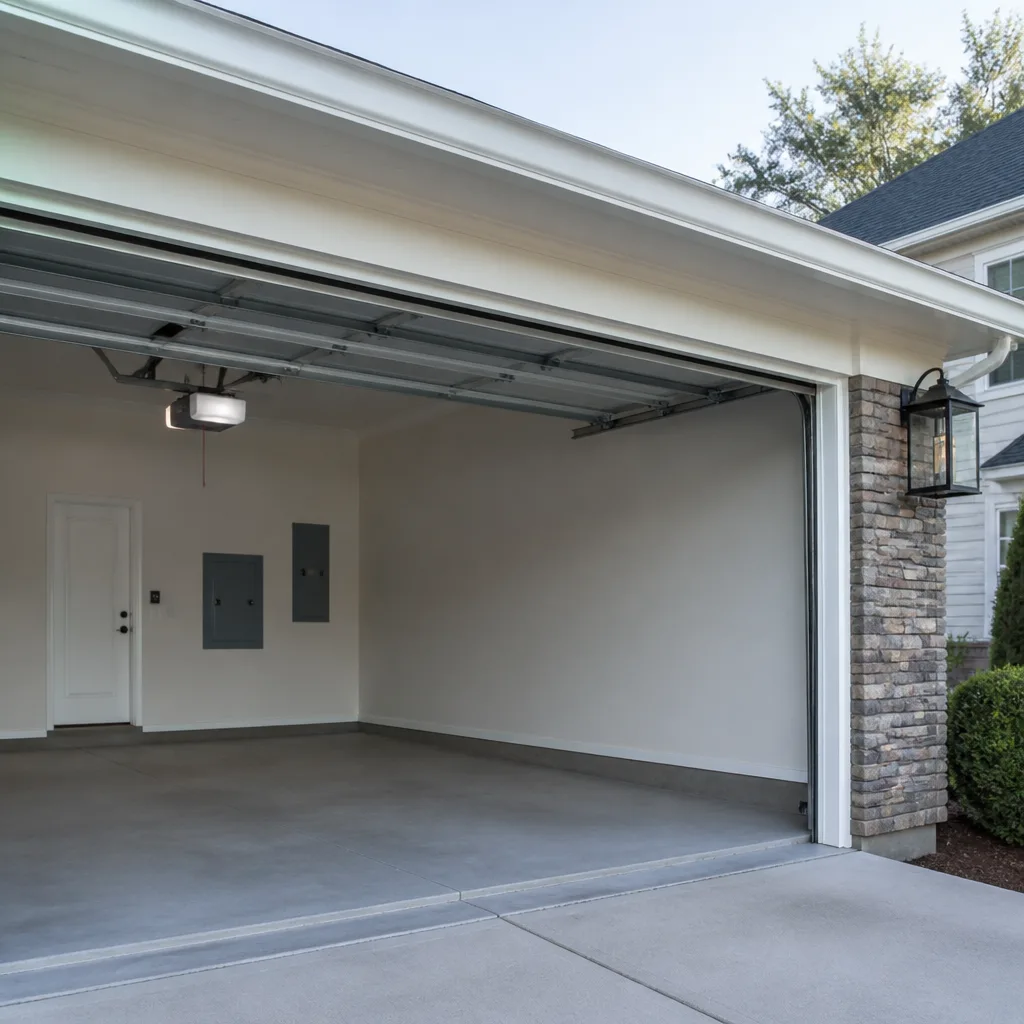 Chamberlain openers
Full 25-point door and opener safety check with every visit - springs, cables, rollers, tracks, and your LiftMaster or Chamberlain opener included
You get a price before we start. It does not change when the pro arrives.
Get your free estimateGarage Door Cost Breakdown: The Hilltop Homeowner’s Reference for 2026
The gap between a $900 garage door repair and a $2,800 one rarely comes down to how broken the door is. More often it comes down to a single parts decision made in the first five minutes on site: replace the pair of torsion springs as a matched set, or gamble on one, or order a nonstandard panel and wait. Two Hilltop homes with the same snapped spring can land four figures apart because of choices the homeowner never got asked about. This guide explains which decisions drive cost, what 2026 parts and labor actually run around Hilltop, and the questions to ask before anyone touches a winding bar. You’ll get real ranges, a line-by-line way to read a quote, and the point where repair stops making financial sense.
Quick Answer
In Hilltop, a garage door repair in 2026 typically runs $150 to $600 for the common fixes (springs, cables, rollers, hinges, one panel), while a full door replacement runs roughly $1,100 to $4,500 installed depending on size, material, and insulation. Torsion spring work is priced per spring, so a matched pair costs about twice a single-spring figure. Labor around Hilltop runs in the middle of the Ohio range, and the written estimate you get before work starts is the price that holds.
Styles & brands we work with
- Raised-panel steel
- Carriage house
- Modern flush
- Full-view glass
- LiftMaster openers
- Chamberlain openers
Table of Contents
- Why National Cost Averages Fail Hilltop Homeowners in 2026
- Component-by-Component Cost Breakdown
- Why Spring Count Matters More Than Door Size
- The Real Cost of Deferring Repairs
- How to Read a Garage Door Quote Line by Line
- Repair vs. Replace: The Crossover Point in 2026
- What Drives Labor Cost Around Hilltop
- Which Parts Get Stocked Locally vs. Ordered
Why National Cost Averages Fail Hilltop Homeowners in 2026
National cost guides are built from metro data across the whole country, and that data assumes a garage with a standard single door, easy truck access, and a homeowner who isn’t in a hurry. None of that describes every Hilltop garage. Ohio’s climate alone changes the equation: the freeze-thaw swings through central Ohio work springs hard, and a door that rattles with the temperature is a different repair than a door that just wore out. Cold winters and humid summers cycle torsion springs far more often than in mild climates, which is why spring work dominates the local repair calendar.
Here’s what actually moves the number in Hilltop:
- Door size and configuration. A single-car door and a double-car door use different springs, different cable gauges, and different panel counts. A double door isn’t just “bigger” – it needs a heavier spring system and usually a stronger opener, and both show up on the invoice.
- Brand and part availability. Older doors from Clopay, Amarr, Wayne Dalton, and similar brands occasionally have discontinued panel profiles. When a panel has to be sourced or custom-ordered, the timeline stretches and the price climbs. We work on the brand already in your garage, which usually means we recognize the model before we open it.
- Access and condition. A clear, level garage floor with room to work is a faster job than a packed, uneven one. Rusted or seized hardware adds labor hours.
- What’s actually broken. A seized roller and a snapped torsion spring both make a door stop moving, and they cost wildly different amounts to fix. The diagnosis is where the smart money goes, not the parts list.
That last point is why a national average is close to useless for budgeting. The “average repair” bundles cheap jobs and expensive ones into a number no single homeowner will ever pay. Break it into components and the picture gets honest.
Component-by-Component Cost Breakdown
These are typical estimated ranges for Hilltop-area residential work in 2026, including parts and labor. Treat them as a planning tool, not a quote. The written estimate you receive before work begins is what the final price follows, and that’s true whether you’re comparing garage door repair options or weighing a full replacement.
Torsion and extension spring replacement is the highest-volume service in Hilltop. A single torsion spring replacement typically runs $180 to $340. Because torsion systems almost always use a matched pair, and paired springs are replaced together, a full pair runs about twice the single-spring figure – roughly $360 to $680 installed. Extension spring replacement tends to land in a similar band per spring, with the pair costing more. Never compare a one-spring price against a two-spring quote; that’s the most common apples-to-oranges mistake we see.
Cable replacement is a lower-cost job but a critical one. A single cable runs roughly $150 to $250 installed, and cables are almost always replaced in pairs for balance and safety.
Roller, hinge, and hardware sets are the quiet workhorses. Replacing a full set of rollers commonly costs $120 to $250, and hinges and brackets add another $100 to $200 depending on how many are seized.
Panel replacement varies more than any other line item. A single top or bottom panel in a standard profile can run $250 to $600 installed, but a middle section on a discontinued or less-common door can double that once the panel is sourced. Availability is the wildcard here.
Full door replacement spans roughly $1,100 for a basic single-car, non-insulated door installed, up to $4,500 or more for a double-car insulated door with windows and a premium finish. Insulated doors matter more in Ohio than many homeowners expect, because an uninsulated door on an attached garage drags down the temperature of everything next to it.
Opener replacement or repair splits into diagnostics and hardware. A logic board, gear, or safety-sensor fix typically runs $120 to $350. A full opener replacement with a modern system from LiftMaster, Chamberlain, or Genie runs roughly $350 to $700 installed, more if the door needs a new reinforcement or a torsion conversion. That’s where garage door opener repair becomes a judgment call rather than a swap.
Every one of those ranges is quoted and agreed before work starts. No work begins until you’ve seen a written price and said yes to it.
Why Spring Count Matters More Than Door Size
A homeowner looking at two doors of the same width might assume the spring cost is identical. It usually isn’t. Spring count and spring rating matter far more than the door’s square footage, because the spring system is what carries the door’s weight – and the door’s weight comes down to material, insulation, windows, and hardware, not width alone.
Here’s the part most quotes obscure: a torsion system’s cost is driven by the number, size, and rating of the springs, plus the cycle life you choose. A matched pair of heavier-duty springs built for more cycles costs more up front than a pair of lighter standard springs, but it can outlast them by a wide margin. If you ask one question before a spring job in Hilltop, ask this: “How many springs, what rating, and how does the pair get balanced?” A quote that lists a single spring price without telling you it’s a pair (or leaving the pair ambiguous) is the one to scrutinize.
Why does Hilltop care about cycle life more than most? The freeze-thaw cycle through central Ohio works the springs every season, and doors on homes that face the wind get a little extra wear. A heavier spring set often pays for itself in fewer replacements over a decade, even though it costs more on day one. The cheaper spring isn’t the cheaper decision in the long run – it’s just the cheaper invoice today.
Springs, cables, and the winding bar are the genuinely dangerous part of this trade. A torsion spring under tension stores enough energy to break a bone or worse, and we don’t hand out DIY winding steps for that reason. What we will tell you is what to check: listen for a loud snap, look for a visible gap in the coil, and watch for the door feeling unusually heavy or refusing to stay up. Those signs mean call someone trained, not grab a ladder. Our technicians have up to 8 years of experience, and spring work is a core service for us, not an add-on.
The Real Cost of Deferring Repairs
A $150 cable replacement today and a $600 panel repair three months from now are the same problem at two different stages. When a cable frays and snaps under load, the door can come down crooked, twist a panel, strip a hinge, and in a bad case pull the opener carriage off its rail. The single cheapest repair in a garage door system is almost always the one done first.
Deferred maintenance in an Ohio climate doesn’t pause while you decide. Winter cold stiffens lubricant. Summer humidity rusts hardware. A roller that’s merely noisy in July seizes by January, and a door that’s slightly out of balance in the fall starts slamming in the spring. Each small failure puts strain on the next component in line. Here’s how that chain usually goes:
- Frayed cable goes unreplaced. Cheap to fix early, expensive after a snap.
- Out-of-balance door strains the opener. The opener motor burns out from doing work the springs should do.
- Snapped spring leaves the door dead weight. Homeowners often force it, which bends panels and hinges.
- Bent panel or stripped hinge turns a hardware job into a door-profile problem, especially on discontinued profiles.
- Forced opener finally fails. Now you’re replacing a door opener and the door hardware together.
The pattern isn’t a scare tactic – it’s just physics and a parts catalog. Cheap parts are cheap because they’re basic. As failures cascade, you move up the catalog into higher-tolerance parts and more labor, and the price follows. That’s the practical argument for a free estimate at the first sign of trouble, rather than waiting until the door quits entirely.
If you hear a noise, notice a gap, or the door moves unevenly, the cheapest path forward is a free estimate and a written quote. Call (866) 558-3346 for a free estimate. We answer 24/7, and fast dispatch from 7am to 7pm Sunday through Friday gets a technician out to diagnose it before a small problem becomes a big one.
How to Read a Garage Door Quote Line by Line
A well-built quote tells you exactly what’s being replaced, what brand and rating the part is, and what labor covers. A vague quote tells you “repair garage door” and a total, which leaves you no way to tell a fair price from a padded one. Here’s how to separate the two:
- Look for the part number or spec. A legitimate spring line item names the spring (wire gauge, inside diameter, length) or at least the door it’s rated for. “Springs” with no spec is a red flag.
- Check single versus pair. If the quote lists “torsion spring” at a single-spring price but the door uses two, ask. Either the quote is wrong or the work is incomplete.
- Confirm the brand and model for openers and doors. A quote for a LiftMaster or Chamberlain opener should name the model, so you know what you’re getting.
- Watch for vague catch-alls. Line items like “misc. repairs,” “adjustments,” or “shop supplies” at a large flat fee are padding. A small supply charge is normal; a big unexplained one isn’t.
- Match labor to the job. A full door replacement has more labor than a spring swap. If the labor line looks the same on both, that’s worth questioning.
- Ask what happens if something else is found. A good quote states that if a hidden problem turns up, you’ll get a new price and approve it before more work starts. Nothing gets added to the bill without your yes.
The line you want to see at the bottom is the final written price, and the line you want to hear from the technician is that it holds unless you approve a change. That’s true whether you’re getting spring work, a new panel, or a full garage door installation quote. Estimates are free, and nothing gets started until you’ve agreed to the number in writing.
Repair vs. Replace: The Crossover Point in 2026
There’s no universal age where a door should be replaced, because door life depends on material, climate, and how many cycles it has run. But there’s a practical crossover, and it’s driven by 2026 parts pricing rather than the calendar. The rough rule in Hilltop: when repair costs pass about half the price of a comparable new door, and the existing door is already showing failure in more than one system, replacement usually wins.
Think of it as three zones:
- Repair zone (most doors under 12 years old). One system fails (springs, opener, or hardware) while the panels, tracks, and structure are sound. Repair is clearly cheaper, and there’s no good argument to replace a door that isn’t structurally tired.
- Judgment zone (roughly 12 to 20 years). Springs and an opener have been replaced, panels are starting to show dents or rust, and the door has needed multiple repairs over a few years. A fresh repair might carry it two more years, or a new door ends the cycle. This is where the numbers have to be run honestly, not guessed.
- Replace zone (past the point of diminishing returns). Discontinued panels, a bent track and frame that can’t be straightened reliably, an opener and spring system both due at once, or a door that has rusted through. Continuing to repair a door with no available matching profile becomes expensive fast in 2026, because custom panels are priced as one-offs. A new door is usually the smarter money at this stage.
The crossover math is why local numbers beat national averages. On a standard double door from Clopay or Amarr with good tracks, the repair side of the equation stays comfortably cheaper for a long time. On an older door with a discontinued profile and a failing opener, the math flips years sooner. Ask directly: “At this repair cost, what does the repair actually buy me in years?” A straight answer, not a sales pitch, is the one worth listening to.
What Drives Labor Cost Around Hilltop
Labor typically makes up 40 to 60 percent of a residential garage door invoice, and it’s the part homeowners understand least. In Hilltop, labor sits around the middle of the Ohio range – not the cheapest market in the state, not the priciest. The variables that actually move it are less about hourly rates than about what the technician has to do once they’re on site.
Access is a big one. A clear, level garage floor and a clear driveway mean a straightforward job. A packed garage, a car in the way, an uneven slab, or a door that needs to be manually raised to be serviced all add time. So does the “one more thing” discovery – an opener that’s failing because the door was out of balance weeks ago, or a track knocked out of alignment by a car bumper. Those don’t add hours because the technician is slow; they add hours because they were invisible until the door came off the rail.
Spring work carries its own labor profile. Torsion spring replacement is faster on a standard two-spring system than on a single-spring heavy door, and faster still when the springs are standard stock. Extension spring work can be quicker than torsion per spring but often reveals worn cables at the same time. Every one of those is a reason to ask for a diagnosis and a written price before work starts, so the labor estimate reflects the real door, not a guess.
We don’t do overtime premiums or night-time callouts as a pricing lever. A repair is priced per job by the written estimate you agree to. If a door fails and you call outside dispatch hours, we answer, book it into the next opening, and the price is the price. That’s the honest way to run a service – no hidden clock driving the bill up.
Which Parts Get Stocked Locally vs. Ordered
The parts decision made in the first five minutes often decides whether your job is finished the same day or stretches a week. Some parts are universal and move fast; others are door-specific and have to be ordered. Knowing the difference helps you ask the right question up front.
Usually on hand (fast, same-visit jobs):
- Standard torsion and extension springs in common wire gauges and lengths
- Standard rollers, hinges, brackets, and safety sensors
- Cables and drums in standard configurations
- Common opener logic boards and gears for LiftMaster, Chamberlain, Genie, and Craftsman systems
Usually ordered (can add days):
- Discontinued or uncommon door panels and panel profiles
- Specialty torsion springs rated for unusually heavy or high-cycle doors
- Nonstandard drums, cable gauges, and track sections
- Premium or custom opener models and accessories
The single most useful question before any panel replacement is: “Does this exact panel profile still exist, and how long to get it?” If the answer is “it’s on order,” you’ve just found the reason your job will take a week instead of an hour – and the reason the price is higher. Knowing that in advance lets you compare alternatives (repair the panel vs. replace the section vs. replace the door) before you commit.
This is where parts supply as its own service matters. When we can source a component directly rather than routing it through a third party, timelines shorten and the quote is more predictable. And when we know the brand already in your garage – Clopay, Amarr, Wayne Dalton, Craftsman, and the rest of the eight majors we work on – the part match happens faster. Your opener model isn’t a mystery to us. That familiarity is most of the reason parts arrive sooner.
For a full replacement rather than a repair, the parts conversation shifts to what gets ordered and installed together. A full door is measured, ordered, and scheduled – that’s a project, not an emergency fix, and we quote it that way. No same-day promises on a new door. What you get instead is a free measure and a written price before anything is ordered.
Common Mistakes to Avoid
- Comparing a single-spring price to a pair quote. If a quote gives you one dollar figure without saying how many springs, ask. A pair costs about twice a single, and a pair is what most doors need. Comparing the two numbers as if they were the same is how homeowners get talked into an incomplete job.
- Judging a door by how old it is instead of what’s failing. Age alone doesn’t decide repair vs. replace. A door with good panels and tracks can be worth repairing well past a decade; a door with a discontinued panel and a failing opener might not be. Look at which systems are due, not the calendar.
- Hiring the cheapest bid without a written quote. In Hilltop, the cheapest opening number often hides a “we’ll see what it needs” diagnosis. The quote that names the part, the spec, and the labor is the one you can hold to. Nothing should be added to the bill without your approval.
- Ignoring the opener after the springs die. A door that’s been out of balance has been straining the opener for weeks. A spring repair that doesn’t address the opener can send you back a month later. Ask the technician to check opener strain as part of the diagnosis.
- Trying to service torsion springs or cables yourself. This is the one category where the DIY instinct is genuinely dangerous. Those components store stored energy, and a slip can cause serious injury. Leave them to someone trained, and ask about the safety check instead.
- Assuming a panel can always be matched. Discontinued profiles are common on older doors. A specialty panel can cost more and take longer than the repair suggests. Ask about availability before you commit.
- Confusing “same-day” with “no appointment.” Repair work can often be scheduled quickly. Full door replacement is measured and ordered, so it’s a scheduled project. Knowing which type of job you’re booking keeps expectations honest on both sides.
See the difference
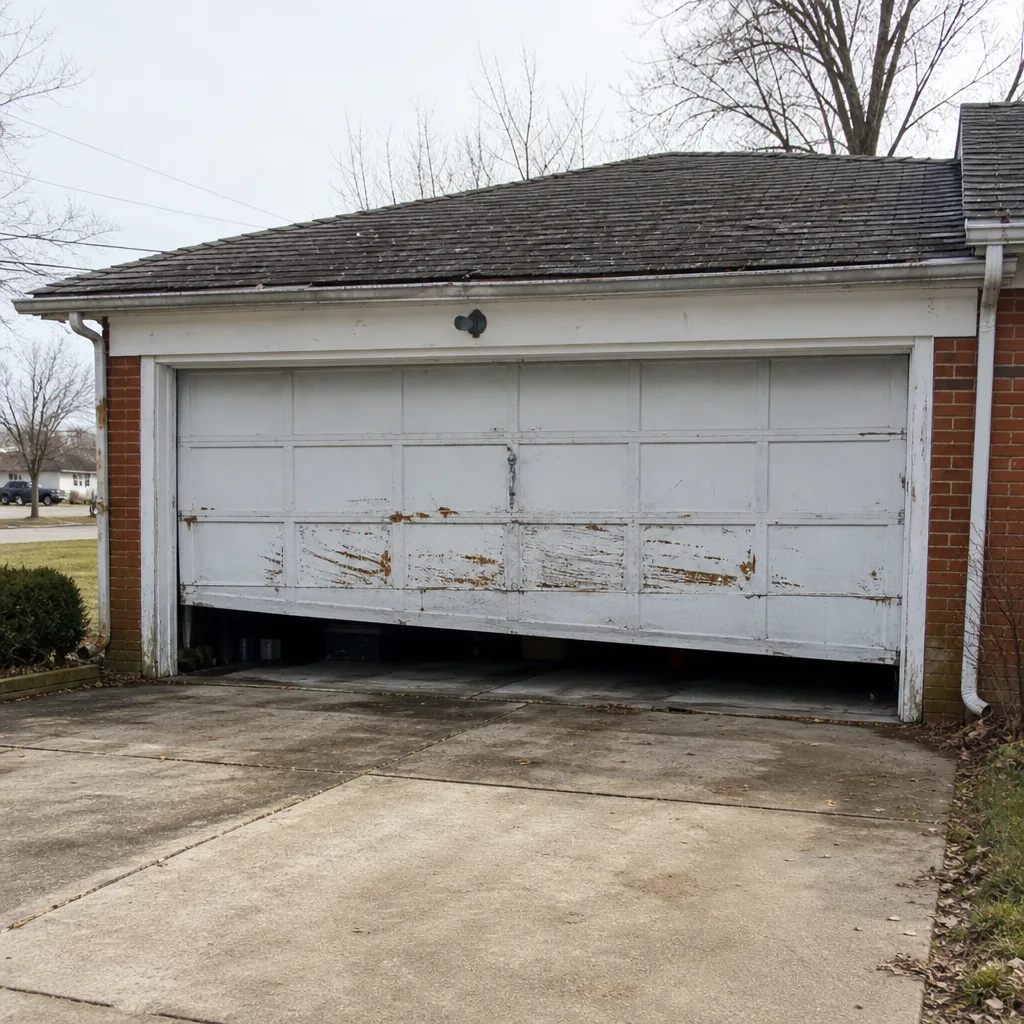 Before
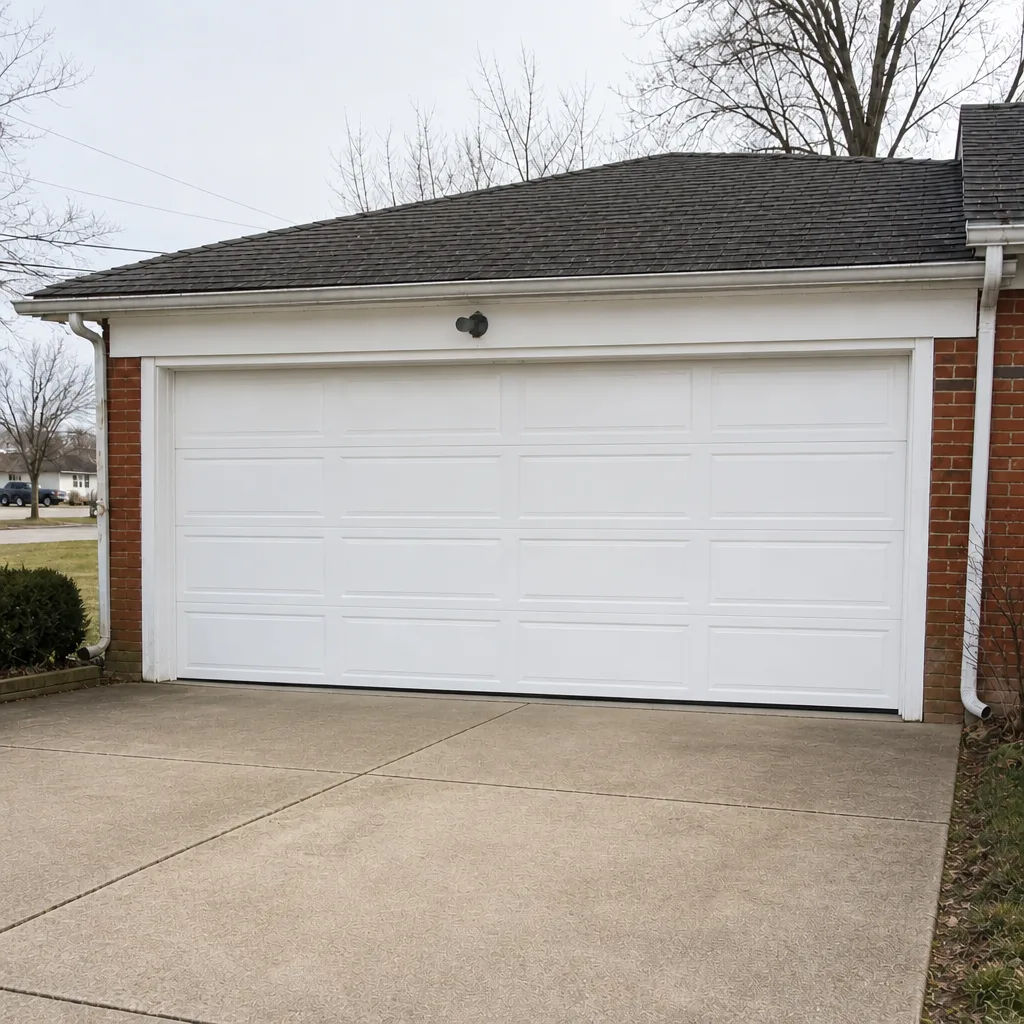 After
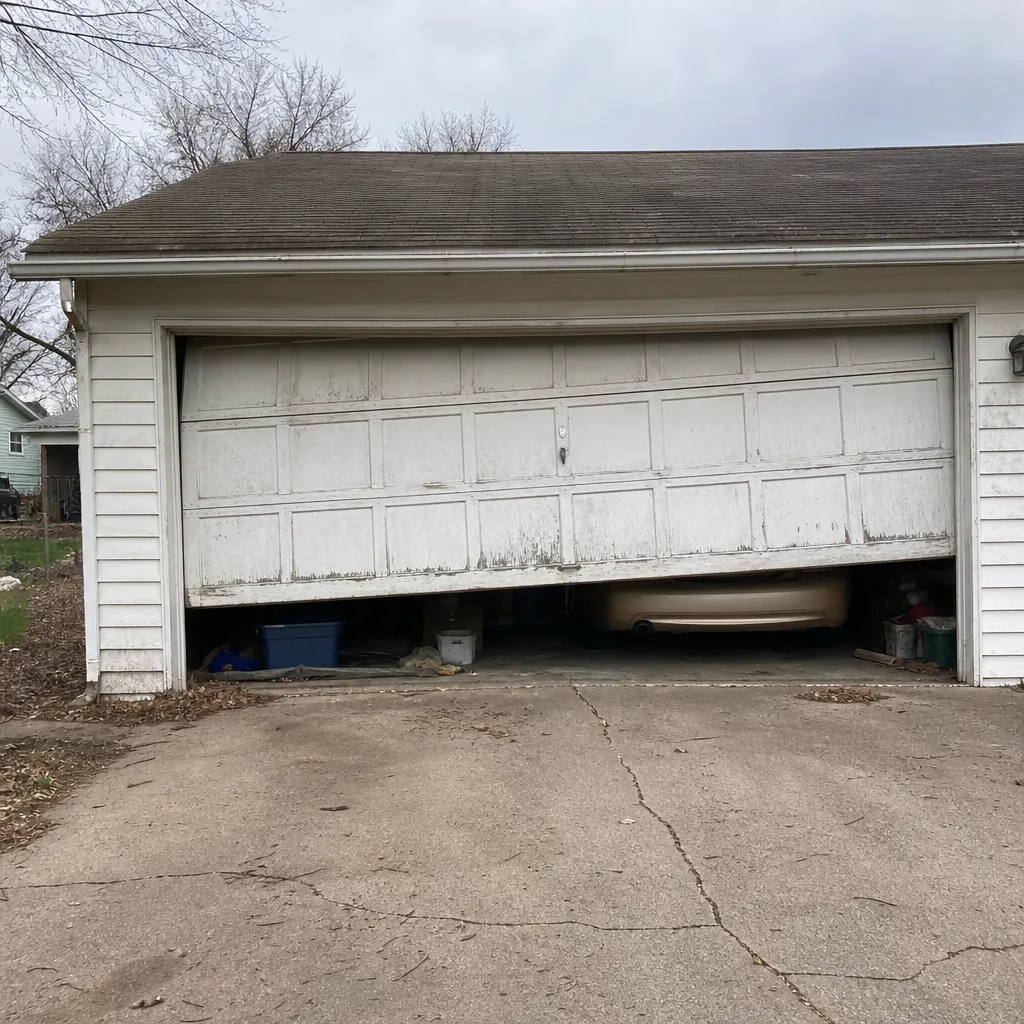 Before
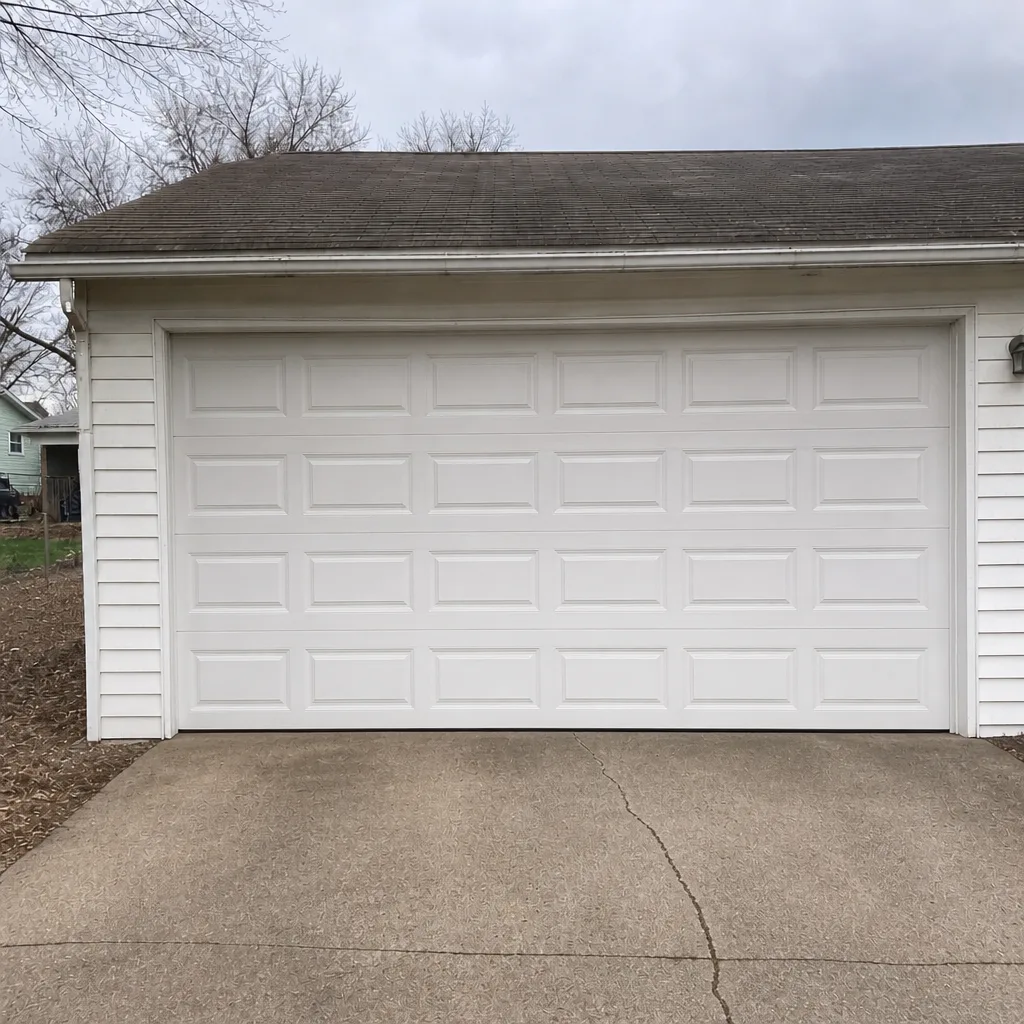 After
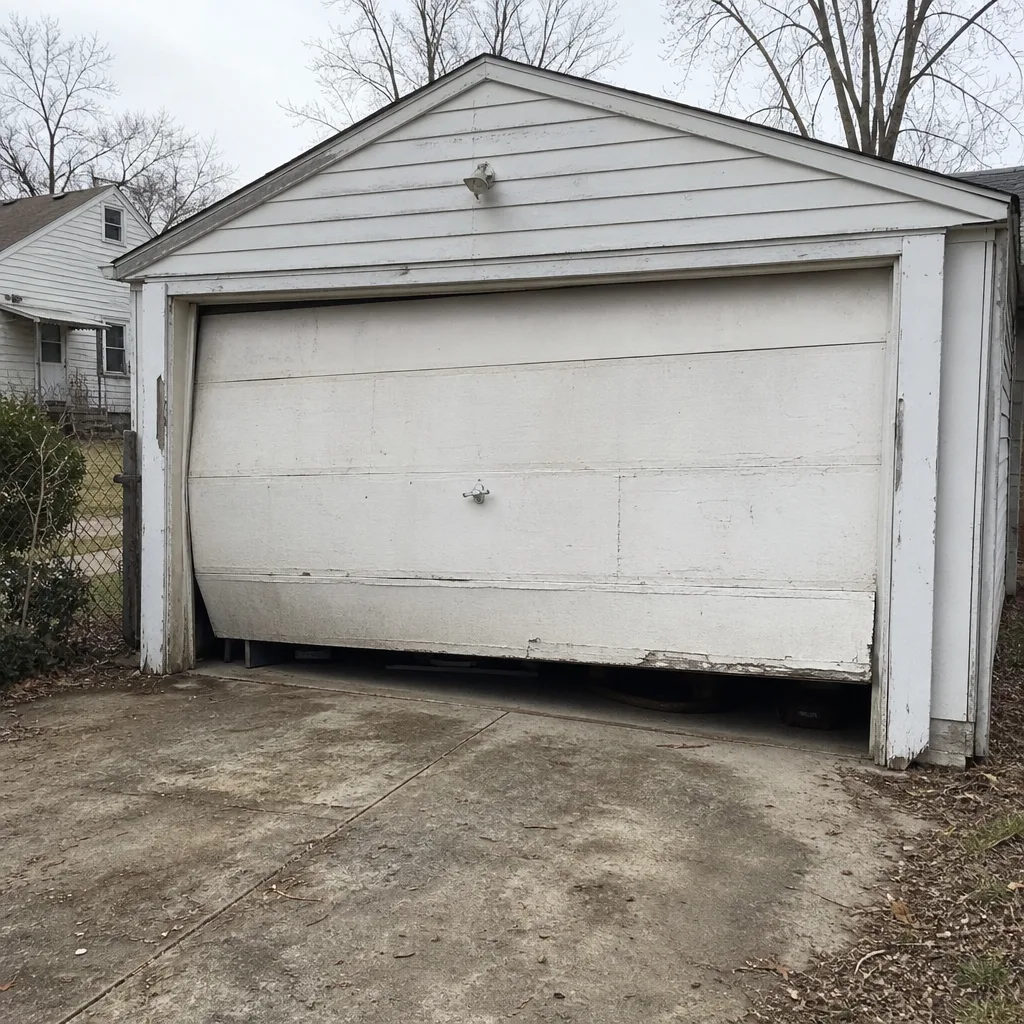 Before
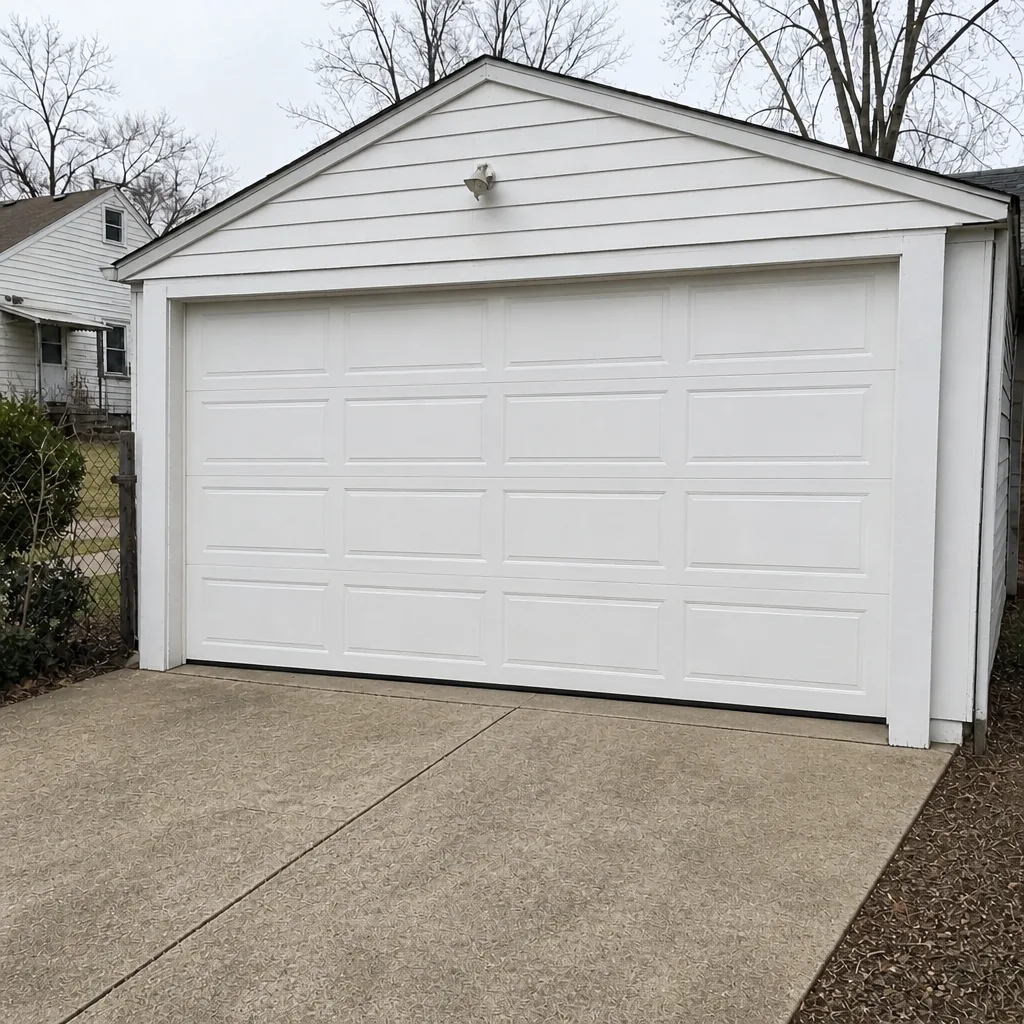 After
When to Call a Professional
Some garage door problems are loud enough that a call makes sense the moment you notice them: a snapped torsion spring, a frayed or snapped cable, a door that won’t stay up, an opener that groans or fails to lift, or a door that leans crooked because a track is out of alignment. These aren’t the moments to weigh DIY – they’re the moments a trained diagnosis saves money. If you’re in the judgment zone on repair vs. replace, a free estimate tells you what each path costs rather than guessing. And if you hear a bang from the garage, see a visible gap in the spring coil, or the door suddenly feels twice as heavy, it’s worth a call. Garage Door Repair Hilltop offers free estimates in Hilltop – call (866) 558-3346. We answer 24/7, and fast dispatch from 7am to 7pm Sunday through Friday (closed Saturday) gets someone out to diagnose before a small repair turns into a bigger one. The price is quoted and agreed before any work starts.
Frequently Asked Questions
Most Hilltop garage door repairs run $150 to $600 in 2026, with torsion spring replacement priced at roughly $180 to $340 for a single spring – a matched pair runs about twice that, since paired springs are replaced together. Cable replacement runs about $150 to $250, and a full roller and hinge set runs roughly $120 to $250 for rollers plus $100 to $200 for hinges depending on how many are seized. Larger work, like panel replacement or a full door, goes higher. Call (866) 558-3346 for an exact quote – estimates are free.
No, not without your approval. The price is quoted and agreed before any work starts, and it holds once you’ve agreed to the written estimate. If a technician finds something hidden – say, a cracked panel behind a working spring – you get a new written price for that work and decide on it before anything additional happens. Nothing gets added to the bill that you didn’t agree to first. That’s the point of the written quote: it’s the price, not a starting bid.
Often yes, because spring and opener repair can usually be scheduled quickly. When you call, we answer 24/7, and fast dispatch from 7am to 7pm Sunday through Friday gets a technician out to diagnose the problem. A call outside dispatch hours is booked into the next opening, Sunday through Friday. Full door replacement is different – that’s measured, ordered, and scheduled, and we quote it with a free measure and a written price rather than a same-day promise. Call (866) 558-3346 for a free estimate.
Our technicians have up to 8 years of experience, and they’re trained on the eight major residential garage door and opener brands – LiftMaster, Chamberlain, Genie, Clopay, Amarr, Wayne Dalton, Craftsman, and Raynor – so they arrive already familiar with the system in your garage. They handle spring work as a core service, not a referral, and they diagnose and quote in writing before work starts. Call (866) 558-3346 with your brand and model and we’ll get the right diagnosis and a free estimate.
Because the costly part of spring work is the labor and safety setup, not the part. Torsion and extension springs are under high tension, and a technician uses a winding bar and a careful procedure to release and re-set that tension safely – that’s the skilled work you’re paying for, and it’s not a chore to attempt at home. The spring price also depends on count, rating, and cycle life: a matched pair costs about twice a single, and heavier springs rated for more cycles cost more up front. Call (866) 558-3346 for a precise quote.
When the repair cost lands around half the price of a comparable new door and the existing door is failing in more than one system – springs and opener together, or panels and tracks together. A door under about 12 years old with sound panels is almost always worth repairing. A door past 20 years, or one with a discontinued panel profile and a failing opener, often isn’t, because 2026 custom panel pricing is high and one-off. The honest answer comes from running the numbers on your specific door, not a rule of thumb. Call (866) 558-3346 for a free measure and a written price on both paths.
The Bottom Line
Garage door cost in Hilltop in 2026 comes down to a handful of decisions: the part spec, the spring count, the door’s condition, and how quickly you deal with a small failure before it chains into a bigger one. Repair a sound door while it’s cheap; weigh a full replacement honestly once panels, tracks, and the opener are all due at once; and insist on a written quote that names the part and holds to the price. Most of the gap between a modest bill and a large one is created before the technician climbs the ladder. The next move belongs to you: get a diagnosis, get a number in writing, and ask the two questions – how many springs, and what does this repair buy me. That’s where the real cost lives.
Get a Free Estimate
Whether you’re pricing a spring repair, an opener replacement, or a full new door, the smartest first step is a free estimate and a written price you can hold us to. Call Garage Door Repair Hilltop at (866) 558-3346 for a free estimate. We answer 24/7, and fast dispatch from 7am to 7pm Sunday through Friday (closed Saturday) gets a technician out to diagnose the door you actually have. We work on the brand already in your garage, we quote before we start, and nothing gets added without your approval.
For the wider repair picture, start with Garage Door Repair Hilltop. Estimates are free, and the price is agreed before any work starts.
Written by the team at Garage Door Repair Hilltop.