
Last updated November 21, 2026
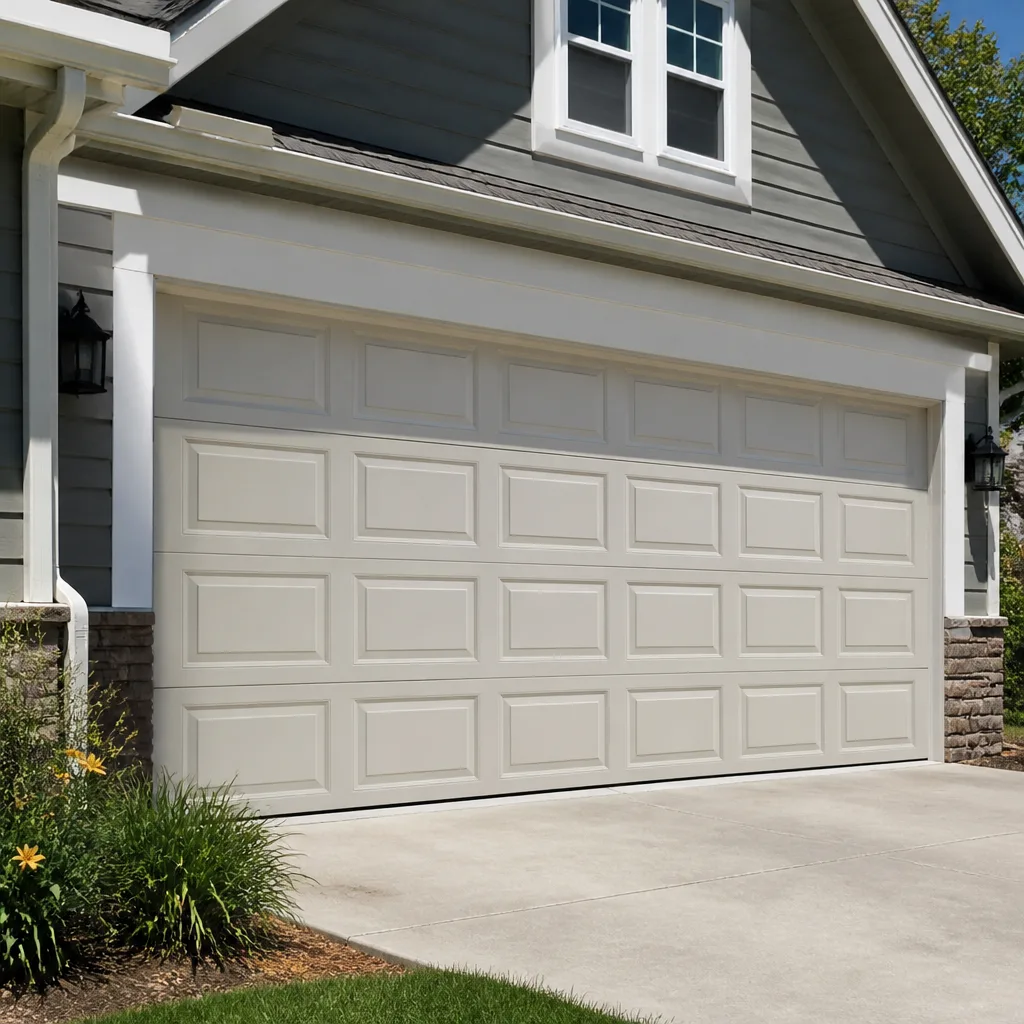 Raised-panel steel
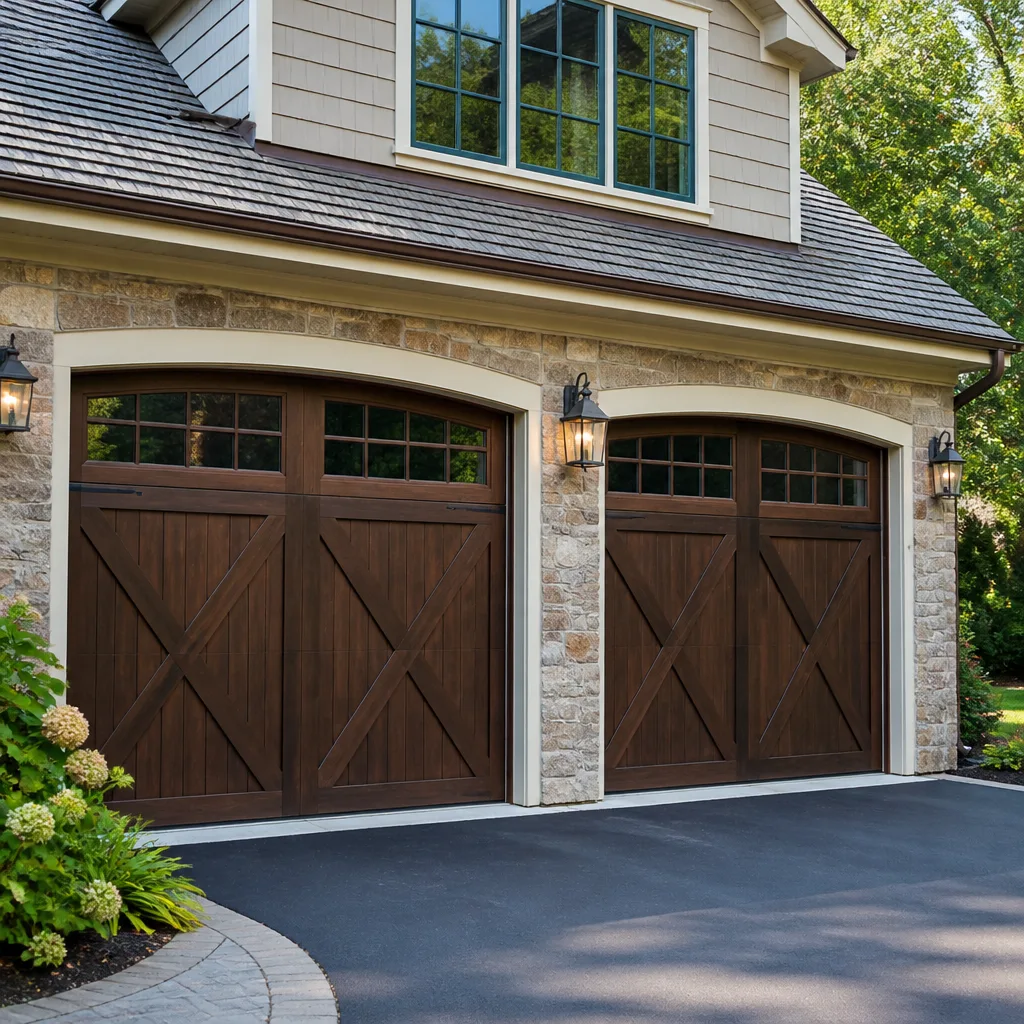 Carriage house
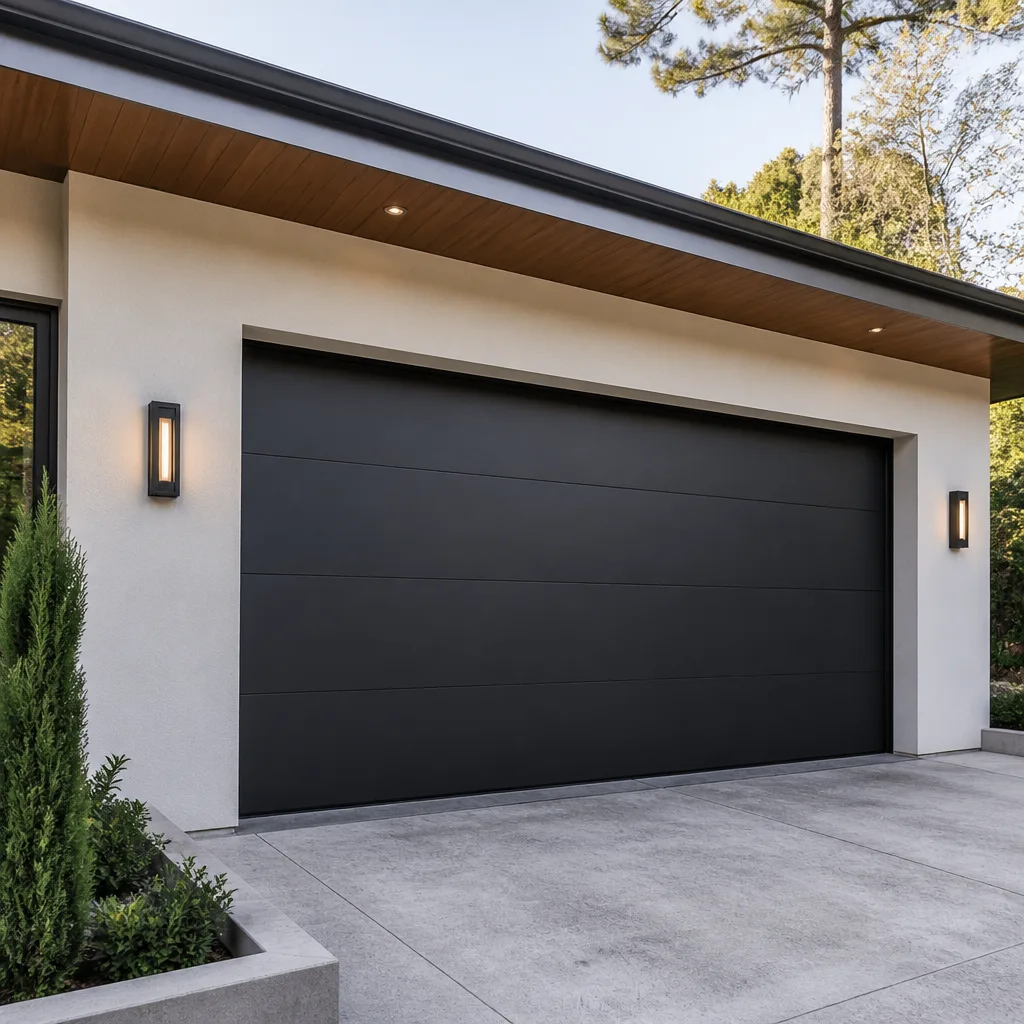 Modern flush
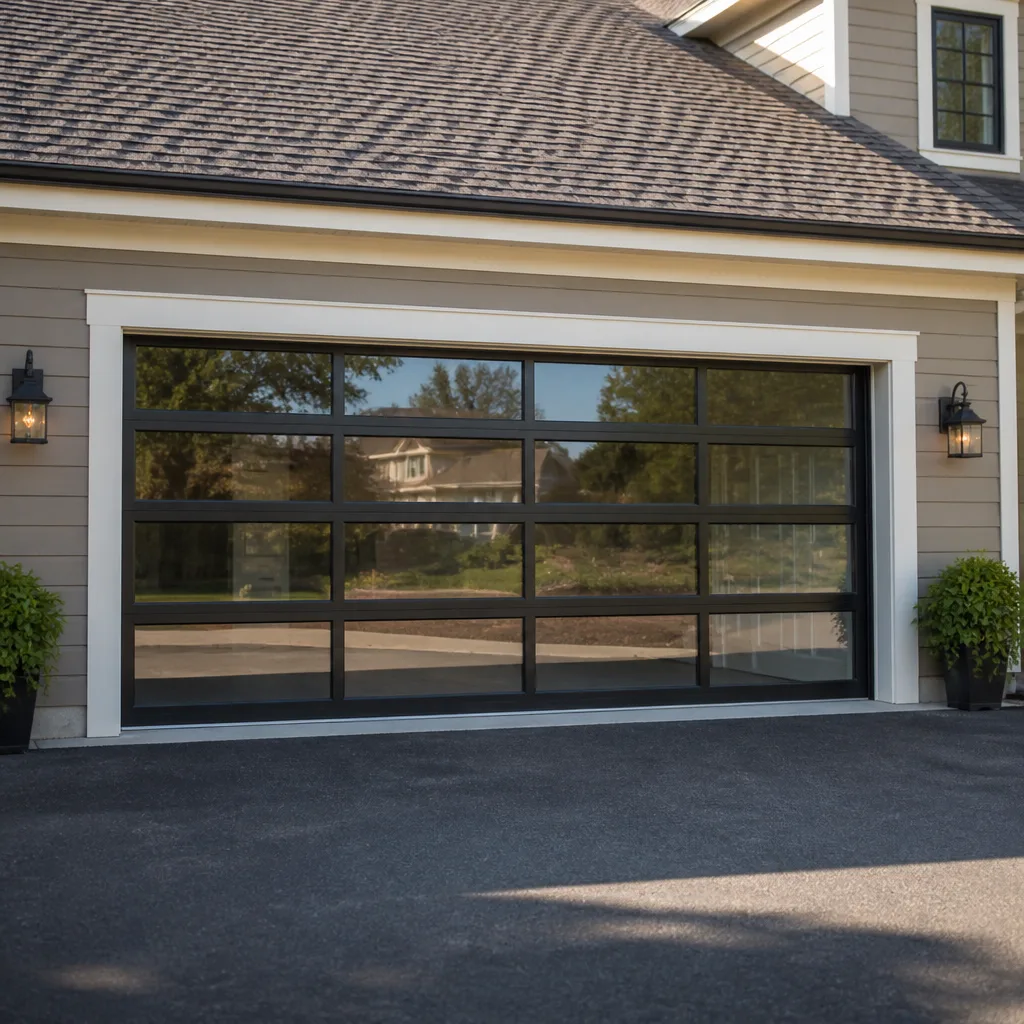 Full-view glass
 LiftMaster openers
 Chamberlain openers
Full 25-point door and opener safety check with every visit - springs, cables, rollers, tracks, and your LiftMaster or Chamberlain opener included
You get a price before we start. It does not change when the pro arrives.
Get your free estimateSeasonal Garage Door Care for Hilltop: Year-Round Homeowner’s Guide
Most homeowners in Hilltop, Ohio treat garage door maintenance as a single checkbox in October. Change the battery, eyeball the rollers, call it done until next year. That approach misses how this climate actually works on the mechanism. Our technicians have spent years watching the same components fail in the same months across this neighborhood, and the pattern isn’t random. The freeze-thaw cycles that hit Columbus hard each year do more damage to springs and cables than sustained cold ever does, which means the repair season for metal fatigue runs later than most people expect. Read on to learn how each season stresses a different part of your door system, what to inspect when, and which fixes actually belong on a homeowner’s list versus a technician’s.
Quick Answer
Garage door care in Hilltop should follow the seasons, not the calendar year: winter is about door-to-floor seals and opener motor load, spring is for post-freeze cable and spring inspection, summer exposes belt drive and smart opener issues from heat, and fall is the last real window to replace weatherstripping before the first hard freeze. Each season stresses a different part of the system, so the right maintenance in March looks nothing like the right maintenance in September.
Styles & brands we work with
- Raised-panel steel
- Carriage house
- Modern flush
- Full-view glass
- LiftMaster openers
- Chamberlain openers
Table of Contents
- Why Seasonal Care in Hilltop Works Differently
- Winter: Seal Leaks and Opener Strain
- Spring: The Post-Freeze Inspection Sequence
- Summer: Heat, Belt Drives, and Smart Opener Glitches
- Fall: The Weatherstripping Window Before the Freeze
- The Component-by-Season Quick Reference
- Common Mistakes to Avoid
- When to Call a Professional
Why Seasonal Care in Hilltop Works Differently
A garage door in Hilltop, Ohio lives a harsher life than one in a mild climate. Central Ohio swings through real freezes and real heat waves within the same twelve months, and each swing moves the metal that holds your door up. Torsion springs, extension springs, cables, and the galvanized tracks all expand and contract with temperature. Repeated cycling through freeze and thaw stresses metal fatigue more than a long steady cold snap does, which is why spring failures in the Columbus area tend to cluster in March rather than January.
That single fact reshapes the whole maintenance calendar. If you’re waiting for the coldest week in January to think about your door, you’re inspecting at the wrong time. The damage is being set up during the thaw, not the freeze.
The other thing most seasonal advice gets wrong is treating “seasonal maintenance” as one uniform task. It isn’t. Here’s what actually changes:
- Winter loads the opener motor and stresses the door-to-floor seal.
- Spring reveals what the freeze-thaw cycle did to cables, drums, and spring tension.
- Summer punishes belt drives, circuit boards, and smart-home wireless connections.
- Fall is the deadline to seal the door before cold air and pests find their way in.
Each season gets its own inspection focus, its own failure mode, and its own fix. This guide walks through all four, then closes with a component matrix you can pin to the wall of your garage and check against each month.
Winter: Seal Leaks and Opener Strain
The most common winter service call we handle in Hilltop isn’t a broken spring. It’s a garage door that leaves a cold gap at the floor, or an opener that’s suddenly struggling to lift a door it’s lifted fine for months. Both problems trace back to how cold air and cold metal interact.
The door-to-floor seal is the primary energy problem in a Hilltop winter. A worn or flattened bottom seal lets in a steady ribbon of cold air that makes the whole garage feel colder than the house, which drags up your energy use through the shared wall. Cold air also finds its way to pest entry points that were never visible in summer. If you can see daylight under the door when it’s closed, the seal is doing almost nothing. Replacing a bottom seal is a straightforward job, and getting it done before the first hard freeze saves you a much colder January doing it yourself.
Opener motor torque behaves differently in cold weather. Grease thickens, metal contracts, and the door gets heavier to lift. Some openers handle that with a slightly longer run time; others strain audibly or reverse partway up. Before you assume the opener is failing, sort the symptom:
- Listen for the strain. A steady hum with a slow lift is usually cold-related drag, not a motor fault.
- Check the manual’s travel and force adjustment. Many openers (LiftMaster and Chamberlain units in particular) allow small force adjustments, and a setting meant for a warmer door may be the whole issue.
- Look at the safety reversal. If the door reverses before closing fully on nothing, that’s a setting or sensor problem, not cold.
- Watch for grinding or a sharp snap. Grinding, a bang, or the door hanging at an angle means a component has failed, and that goes to a technician, not a re-tune.
A setting adjustment handles typical cold-weather strain. A broken spring, cable, or gear means the door stops getting used until someone trained looks at it, and we’d rather you call than keep cycling a straining motor, which shortens its life. When a door fails on a cold Saturday, we’re closed that day; call anyway and we’ll book you for Sunday. Our phone line is answered 24/7.
Spring: The Post-Freeze Inspection Sequence
Spring is the season that exposes everything winter covered up. Once the last freeze passes, the metal in your door system has been through weeks of expansion and contraction, and the parts that matter most (springs, cables, drums, tracks) have all shifted slightly from where they started. This is when a trained eye can catch failures before they happen.
A post-freeze inspection runs in a specific order, because some checks depend on the ones before them:
- Cable drum alignment. Look at both ends of the torsion shaft where the cable wraps around a drum. The cables should sit evenly in their grooves, with no bunching, stacking, or slack. A cable that’s climbing off its drum is a serious safety issue and should be taken off service until a technician sees it.
- Spring tension check (visual only). Look at the torsion spring above the door or the extension springs along the tracks. A visible gap, a spring that looks stretched past its original length, or any rust-through on the coils means the spring has lost tension or is close to failing. Do not touch, adjust, or test a torsion spring yourself; the high-tension hardware holds the full weight of the door, and a wrong move can cause serious injury.
- Track gap checks. Walk the full length of both vertical and horizontal tracks. Tighten the lag bolts that anchor the tracks to the framing, and check that the panels’ rollers sit fully in the track channels with no gaps or bends.
- Roller and hinge lubrication. A small amount of lithium grease or silicone on the rollers, hinges, and pivot points keeps the door running quietly and reduces the load on the opener.
- Balance test. Disconnect the opener by pulling the release handle and lift the door halfway by hand. A balanced door should hold its position. If it drops or rises on its own, the spring tension has drifted with the thermal cycling.
If a spring has failed, spring repair is one of the most hazardous jobs in residential maintenance, and our technicians handle it as a dedicated service: high-tension torsion springs and extension springs both. We’ve seen enough failed spring attempts in Hilltop that we’d rather talk through why it belongs to a trained professional than write a how-to that could get someone hurt.
Summer: Heat, Belt Drives, and Smart Opener Glitches
Summer in Hilltop pushes the door system in ways winter doesn’t. Heat expands metal, softens rubber and grease, and stresses the electronics that have become standard on modern openers. Three problems show up most often.
Belt drive stretch. Belt drive openers are quieter than chain drives, but heat causes the belt to expand slightly, which can make the door run louder, hesitate, or trigger the safety reversal. A belt that was properly tensioned in spring may need a small adjustment by mid-summer. Before you assume the opener is failing, listen to the door: if the noise is a rattle or a slip near the top of travel, the belt tension is the first thing to check.
Circuit board stress. Heat is the enemy of any circuit board, and modern openers hide one in the head unit. A board that’s been through a Hilltop heat wave may show symptoms you’d normally associate with a failing motor: the door reverses for no reason, the wall control stops responding, or the opener loses its memory of the closed position. A control that works from one remote but not the other is a signal the board or the receiver is starting to fail. If the opener is a Chamberlain, LiftMaster, Genie, or Craftsman unit, our technicians already know how those systems are laid out and what to look for.
Smart-home Wi-Fi interference. Smart openers rely on a wireless connection, and the same heat that stresses the circuit board can degrade it. If your app loses connection or the opener shows offline in the middle of a heat wave, don’t assume the router is at fault. Temperature-related board failure and heat-related Wi-Fi channel interference both produce the same symptoms. A quick test: does the wall control still work? If yes, the mechanical door is fine and the issue is wireless. If the wall control also fails, the board needs a look. When it’s the wireless side, that’s what we handle through opener repair; we work on the brand already in your garage.
Fall: The Weatherstripping Window Before the Freeze
Fall is the last realistic window to seal a garage door before the first hard freeze in Hilltop. The bottom seal, the side jambs, and the weatherstripping across the top all shrink and stiffen with cold, and once the temperature drops the rubber stops flexing enough to make a proper seal. A homeowner who waits until November to shop for a replacement often ends up installing it in cold weather, giving it a poor fit that fails by January. The job is best done while the temperature is still mild enough for the material to sit flat.
The fall inspection covers the perimeter of the door:
- Bottom seal. Look for flattening, cracking, or missing sections along the bottom edge. Any visible daylight under the closed door means the seal is due.
- Side and top weatherstripping. Check the strips on the jambs and header for gaps, tears, or sections that have pulled away from the framing. Replace any that are failing before cold sets in.
- Threshold. The raised threshold that the bottom seal meets should be clean and intact. A cracked or worn threshold defeats the whole seal, no matter how new the bottom edge is.
- Door hardware. Tighten hinges and inspect the rollers; they’re more likely to fail in cold if they’re already worn.
- Spring condition. Do the visual check you’d do in spring, save for the balance test. If a spring already looks tired, fall is a good time to schedule replacement before a failure strands you in winter.
If you’re not sure what condition your weatherstripping is in, or if the door hasn’t been sealed in years, a quick visit is worth it. The difference in winter warmth inside the garage is noticeable, and pest entry slows down once the door-to-floor seal is tight. The written estimate you get before any work starts is your final price, so there’s no surprise invoice at the end.
The Component-by-Season Quick Reference
Here’s the seasonal breakdown as a component matrix you can check against each month. Print it, tape it to the wall inside the garage, and run through your door’s list before the season changes.
- Bottom seal / weatherstripping: Check in winter for cold gaps; replace in fall before the freeze. Fall replacement beats winter replacement every time.
- Torsion and extension springs: Visual check in winter (cold-related strain); visual and balance check in spring after freeze-thaw; visual check in fall before the cold returns. Never adjust a torsion spring yourself.
- Cables and drums: Spring is the primary inspection window, because thermal cycling is when drums drift and cables climb. A cable issue belongs to a technician.
- Tracks and rollers: Spring (post-freeze gap check and lubrication); a light check in summer for heat-related wobble; tighten hinges in fall.
- Opener motor: Winter is when cold-related strain appears; the setting adjustment belongs on your list each fall.
- Belt drive: Summer is the season for belt stretch. A mid-summer adjustment keeps it running quiet.
- Circuit board and smart opener wireless: Summer heat is the stress test. A control that works from one source but not the other is the early warning sign.
- Safety sensors and reversal: Check each season. A door that reverses on nothing should be taken off service until a technician looks at it.
If you’d rather not run the matrix yourself, that’s what we’re here for. From a broken spring to a full new door, we cover the whole service arc in one place, with technicians who work on the brand already in your garage. Our technicians have up to 8 years of experience with the equipment that’s most common in Hilltop homes.
Common Mistakes to Avoid
- Treating maintenance as one annual task. Seasonal care in Hilltop isn’t a single October checklist. Each season stresses a different part of the system, and the wrong-season inspection misses the actual failure points. Run the seasonal matrix, not the calendar-year list.
- Ignoring a bottom seal that lets daylight through. A worn seal is the primary cold-air entry point in winter and the primary pest entry point year-round. If you can see light under the closed door, the seal is failing whether or not it looks torn.
- Testing spring tension by hand. Torsion springs hold the full weight of the door. Pulling on them, adjusting them, or trying to test their tension by hand is a real injury risk. Look, don’t touch.
- Blaming the opener for cold-weather strain. A struggling lift in January may be a cold-drag setting issue, not a failing motor. Replacing a working opener doesn’t fix a door that needs a force adjustment; it just costs more.
- Waiting until November to replace weatherstripping. Cold stiffens rubber and makes a poor fit. Fall is the window for a proper seal in Hilltop’s climate, and missing it means the door underperforms all winter.
- Assuming a smart opener glitch is the router. Heat-related board failure and Wi-Fi interference both look like dropped connections. If the wall control still works, the mechanical door is fine and the problem is wireless; if it doesn’t, the board needs a look.
- Forgetting the safety reversal check. A door that reverses before closing fully on nothing is a real safety problem. That’s a service call, not a seasonal tune.
When to Call a Professional
Some seasonal tasks belong on your list: lubricating hinges, tightening jamb weatherstripping, replacing a bottom seal, checking the safety sensors. Others belong to a trained technician every time. Call a professional if a spring is broken or looks stretched, if a cable is climbing off its drum or has gone slack, if the door hangs at an angle or reverses on nothing, if the opener hums but the door doesn’t move, or if you’re not sure what you’re looking at and would rather not guess. Same-day service is available for repair, and the price is set by the written estimate before any work starts, so you know the cost before a technician picks up a tool.
Garage Door Repair Hilltop offers free estimates in Hilltop. Call (866) 558-3346. We answer 24/7. Fast dispatch from 7am to 7pm, Sunday through Friday.
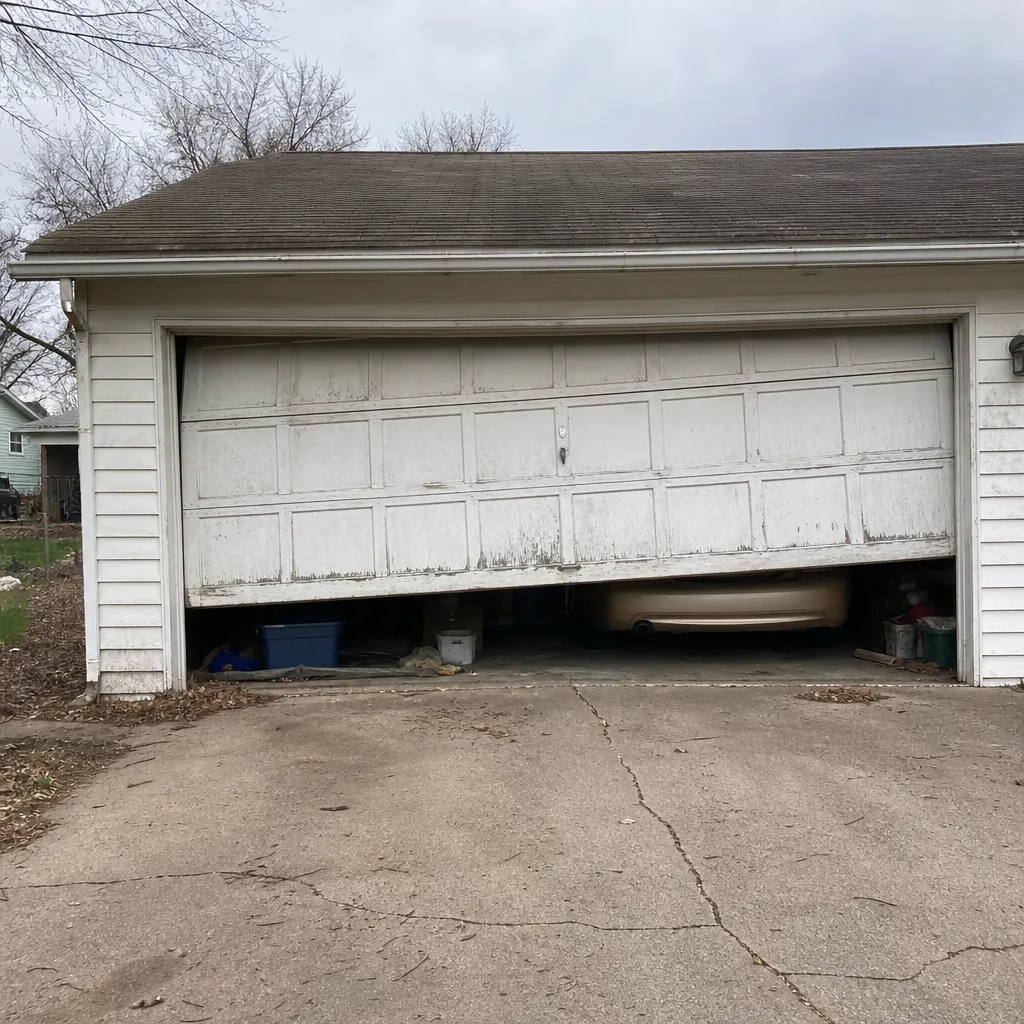
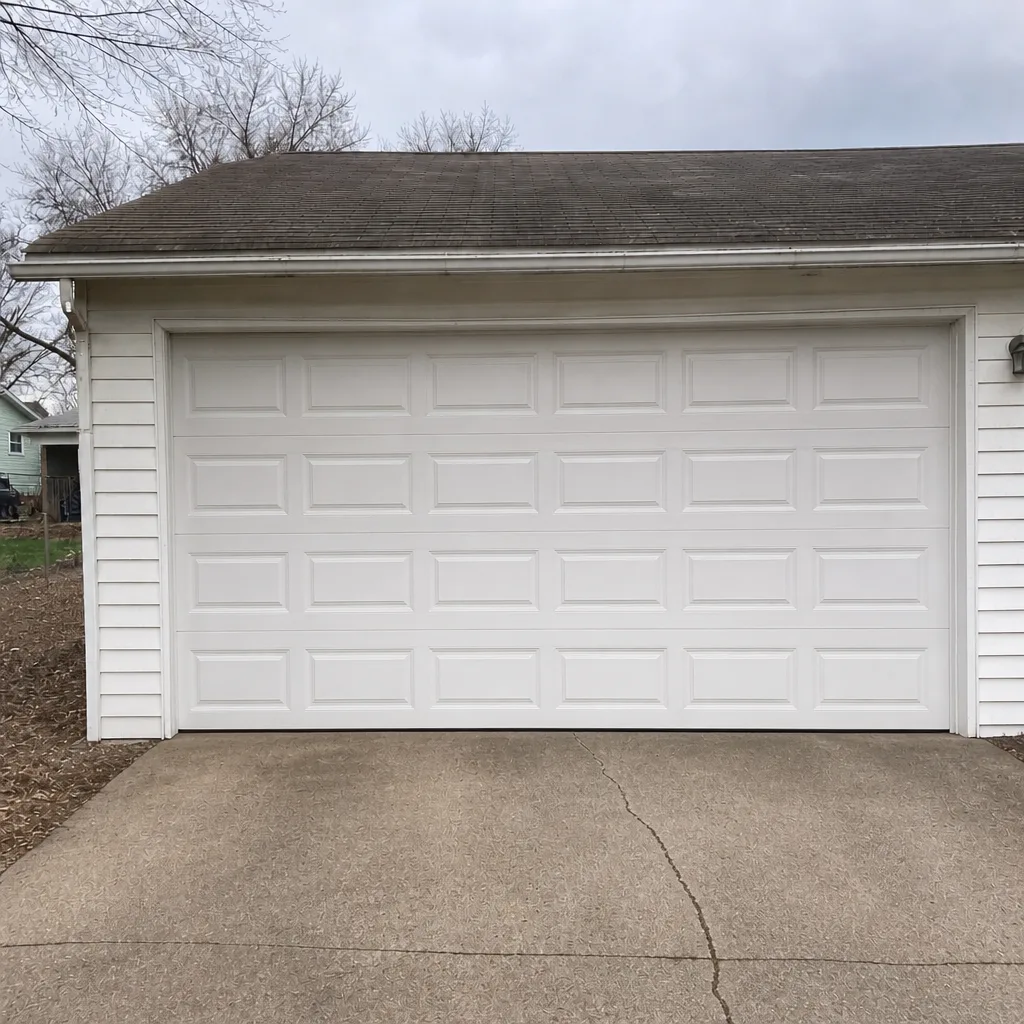
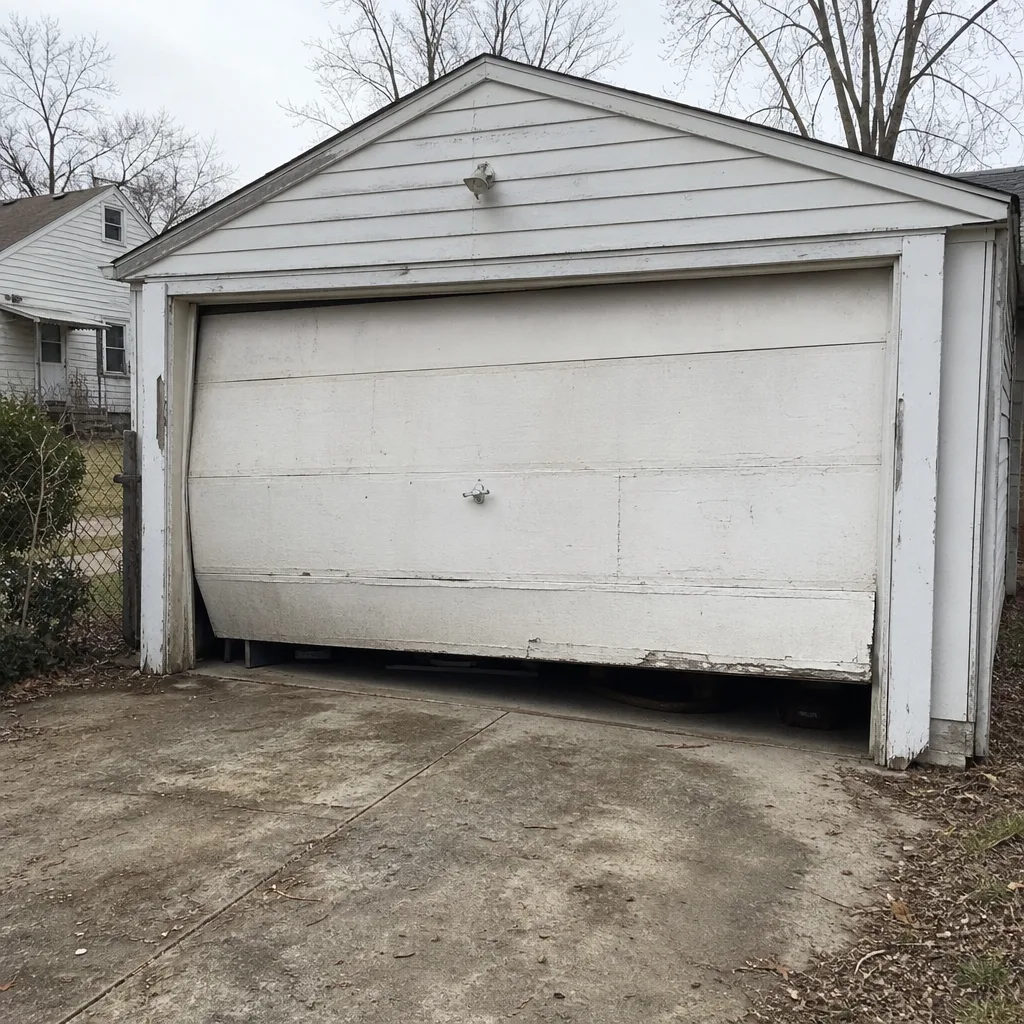
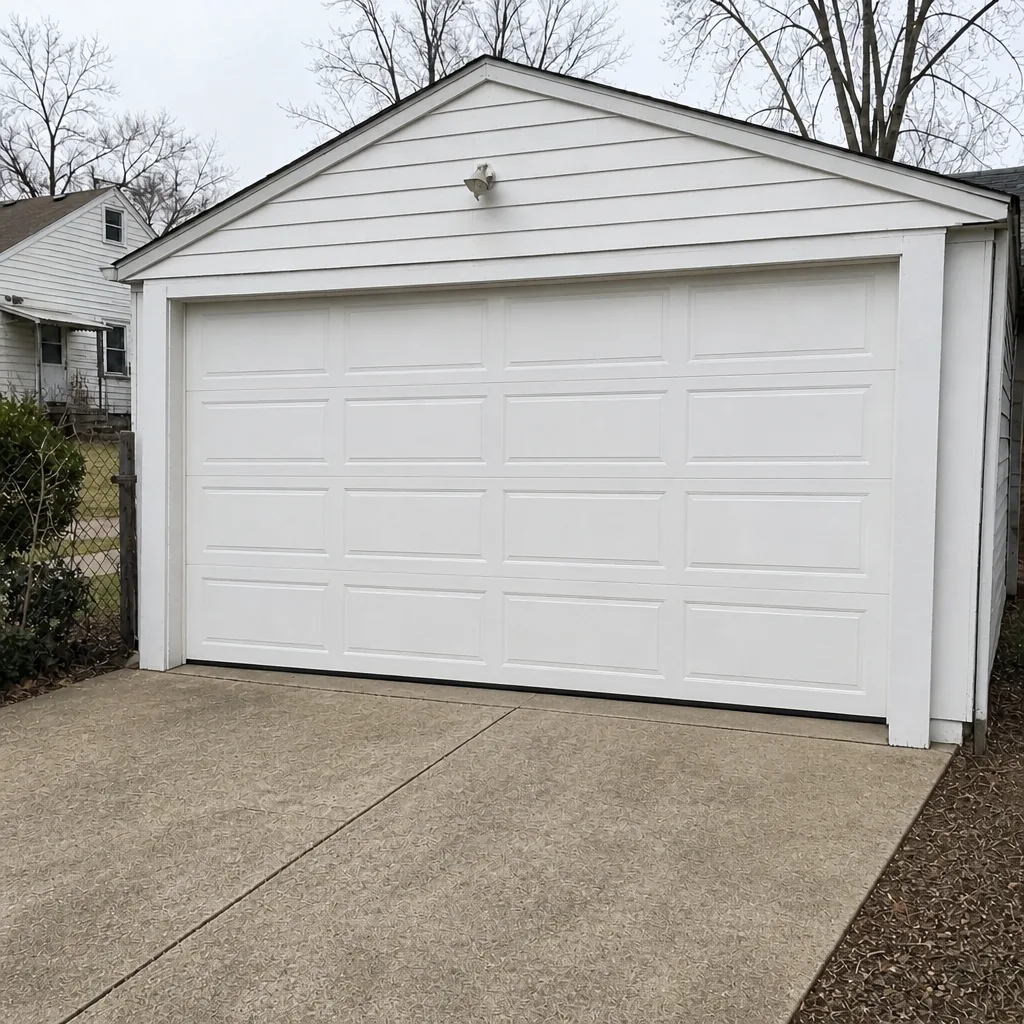
See the difference
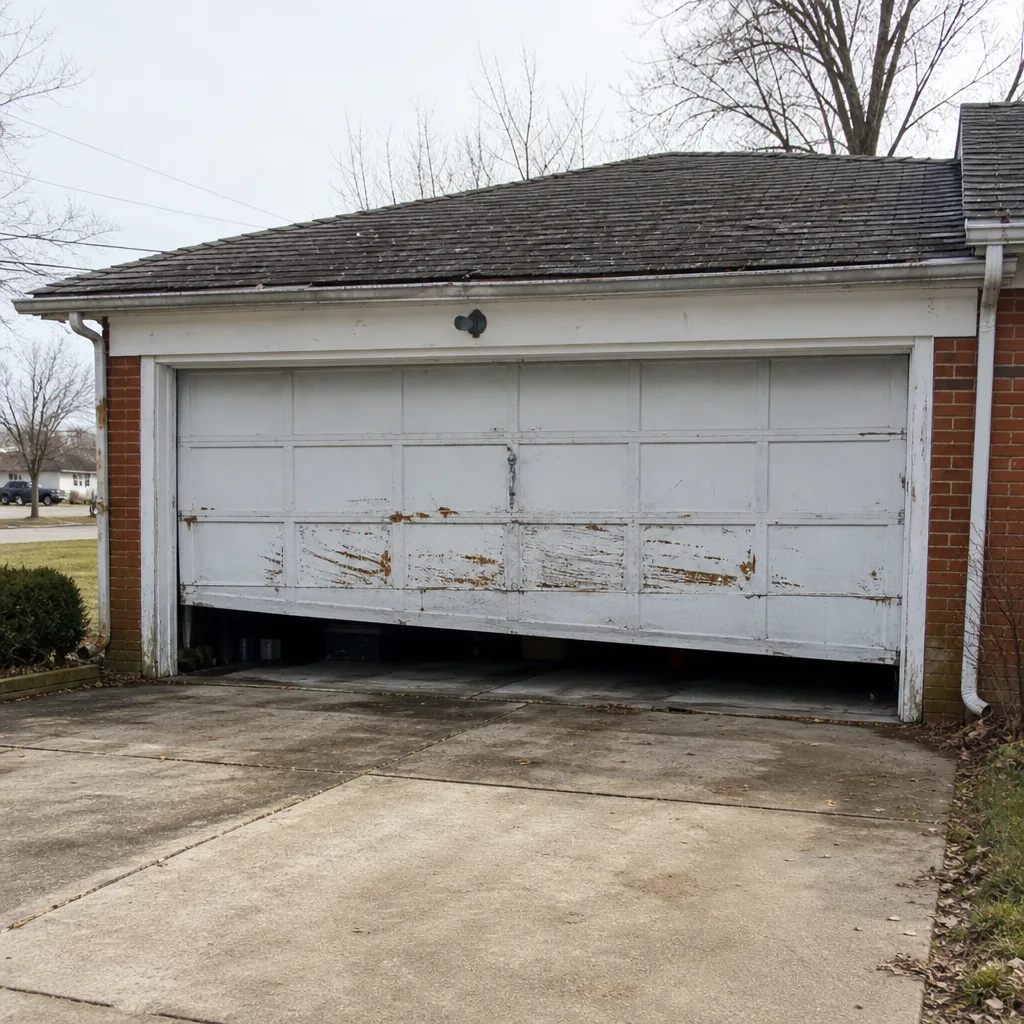 Before
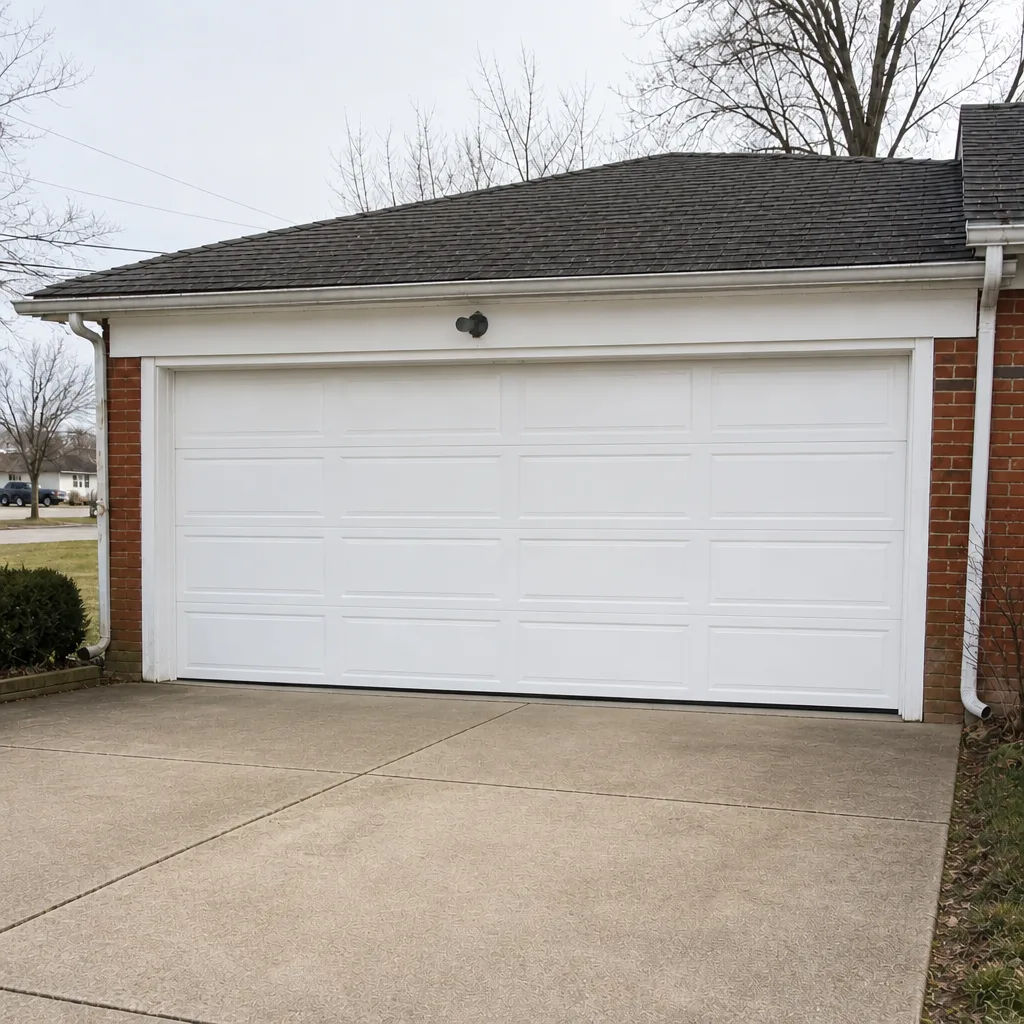 After
 Before
 After
 Before
 After
Frequently Asked Questions
The single most important task is the fall weatherstripping and bottom seal replacement window, because it’s the last chance to seal the door before cold weather makes the rubber stiff and the fit poor. Getting the seal done in fall prevents the cold-air and pest problems that show up all winter. If you can see daylight under the closed door, the seal is overdue. Call (866) 558-3346 for an exact quote on a replacement seal.
Repeated freeze-thaw cycles stress metal fatigue more than a sustained cold snap does, which is why spring failures in the Columbus area tend to cluster in March. Every thaw-and-refreeze leaves the torsion spring slightly stretched from where it started, and by spring the accumulated movement shows up as a failure. A post-freeze visual inspection in March catches most of these before they fail completely.
Yes, a small force adjustment is within reach of a homeowner who follows the opener manual, and it’s often the whole fix for cold-weather strain. Modern openers from LiftMaster and Chamberlain, among others, include a force adjustment procedure in the manual. If the door grinds, bangs, or lifts unevenly, though, that’s a mechanical failure and a technician should see it before the opener is adjusted further. Call (866) 558-3346 for an exact quote if you’re unsure.
Test the wall control: if it still opens and closes the door but the app and remotes don’t, the mechanical door and the mechanics of the opener are fine, and the issue is the wireless side. If the wall control also stops responding, or the opener loses its memory of the closed position, the circuit board is likely failing. Either way, opener repair is the fix, and we’d rather look at it than have you guess. Call (866) 558-3346 for an exact quote.
No. We quote the job and you agree to the price before any work starts, and the written estimate is your final price. Seasonal inspections, seal replacements, spring repairs, and opener fixes all follow the same rule. The estimate is free and there’s no fee to find out what the job costs.
Yes. The local professionals we connect you with are licensed and insured as the state requires, and our technicians have up to 8 years of experience on the major residential door and opener brands. We work on Craftsman, Raynor, LiftMaster, and Chamberlain systems, along with the other major brands, so the model in your garage isn’t a mystery. For an exact quote, call (866) 558-3346 – estimates are free.
The Bottom Line
Seasonal garage door care in Hilltop isn’t one annual task; it’s four distinct interventions, each timed to what the climate is actually doing to the metal and rubber in your door. Winter is for door-to-floor seals and opener force settings, spring is the post-freeze inspection of cables, springs, and tracks, summer is for belt drive tension and heat-stressed circuit boards, and fall is the weatherstripping window you don’t want to miss. Pin the component matrix to your garage wall, run the checks each season, and leave the springs and cables to a trained technician. If you’d rather have a specialist look at your door, we’re a garage door specialist, not a generalist, and we work on the brand already in your garage.
Call (866) 558-3346 for a free estimate. We answer 24/7. Fast dispatch from 7am to 7pm, Sunday through Friday.
Written by the team at Garage Door Repair Hilltop.