
Last updated November 21, 2026
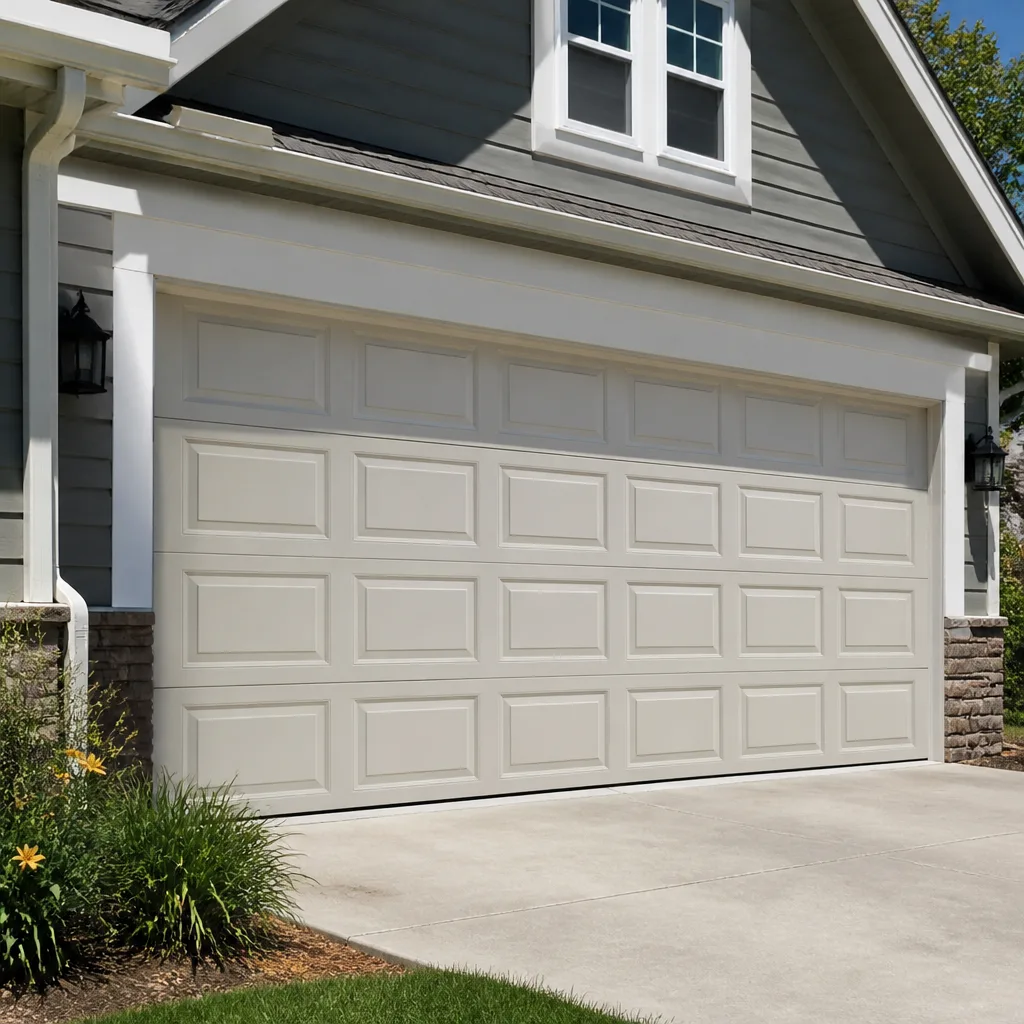 Raised-panel steel
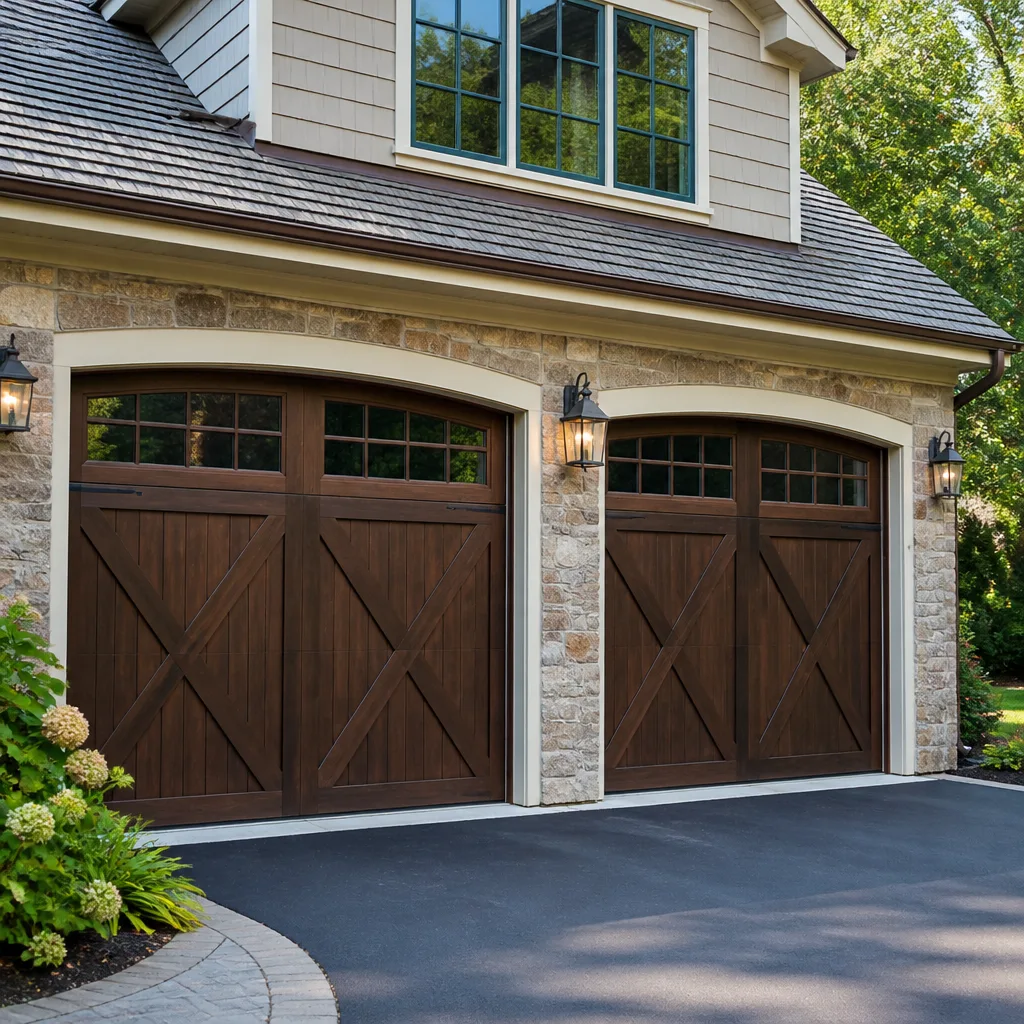 Carriage house
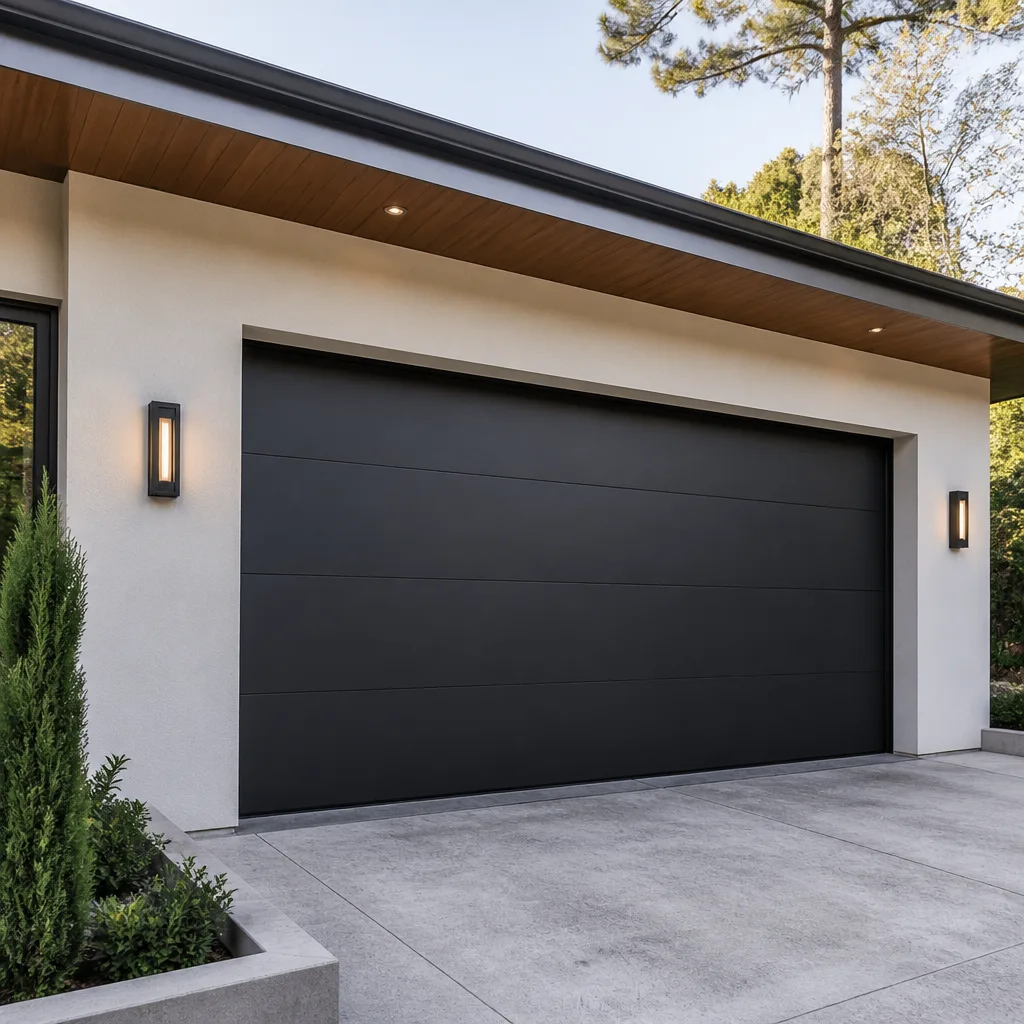 Modern flush
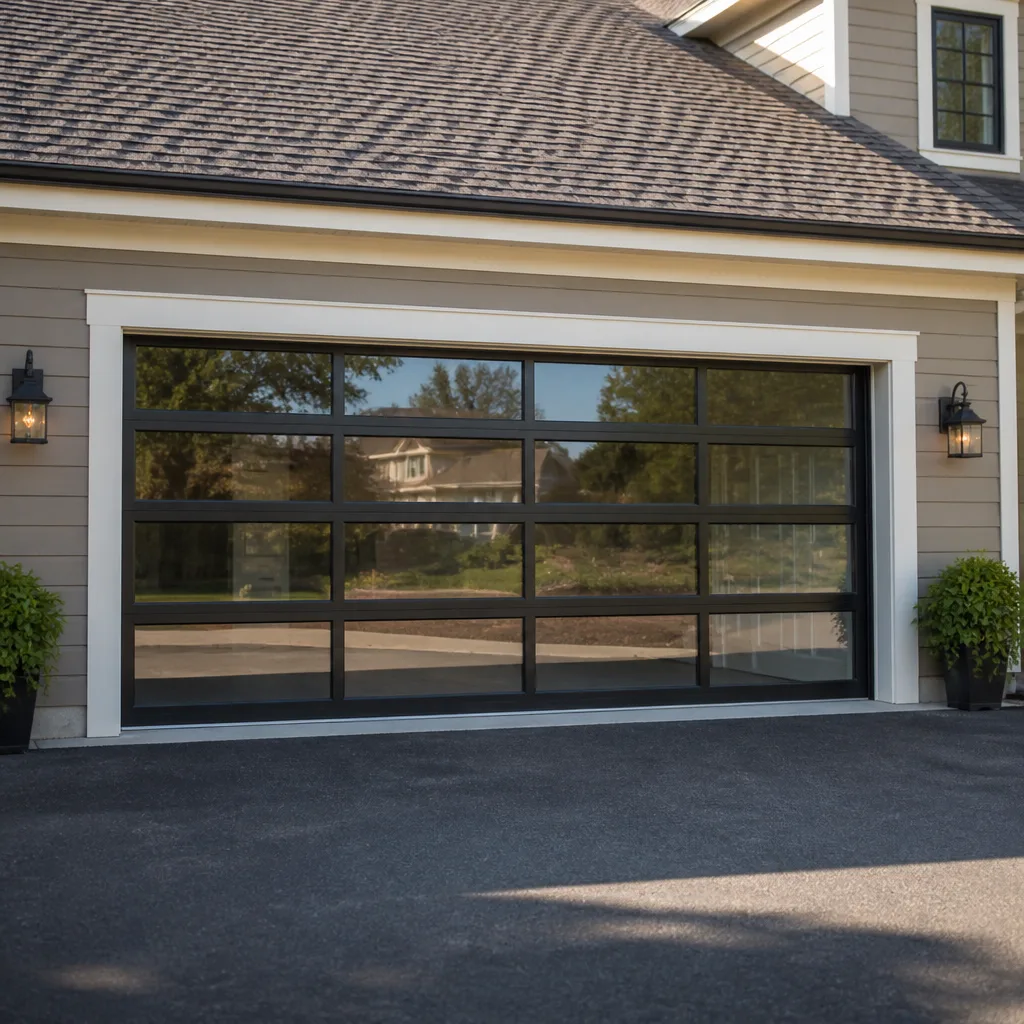 Full-view glass
 LiftMaster openers
 Chamberlain openers
Full 25-point door and opener safety check with every visit - springs, cables, rollers, tracks, and your LiftMaster or Chamberlain opener included
You get a price before we start. It does not change when the pro arrives.
Get your free estimateThe Complete Guide to Garage Doors in Hilltop
Most Hilltop homeowners choose a garage door the way they’d choose a front door: by how it looks from the street. That’s the wrong starting point. A steel door that photographs beautifully but runs on spring tension mismatched to its panel weight will start dragging, sticking, or snapping cables well before its time, no matter how sharp the finish looked on day one. The system underneath the door – the drive type, the spring configuration, the gauge of the steel – is what determines whether you get fifteen quiet years or eighteen months of small failures. This guide walks through the mechanical decisions that actually matter for homes in Hilltop, from matching a torsion spring to door weight to understanding how Ohio freeze-thaw cycles stress panel materials. By the end, you’ll know what you have, what it needs, and when a component upgrade beats a full replacement.
Quick Answer
A garage door in Hilltop should be selected by matching spring type and drive system to the door’s actual weight and your garage’s layout, not by panel appearance alone. Torsion springs suit heavier insulated doors and typical Hilltop two-car garages; extension springs fit lighter single-car setups. Belt drive is the quietest choice for attached garages, chain drive is the most durable for detached ones, and steel-gauge and insulation type determine how well the door holds up through Ohio’s temperature swings. Our technicians have up to 8 years of experience reading exactly these systems.
Styles & brands we work with
- Raised-panel steel
- Carriage house
- Modern flush
- Full-view glass
- LiftMaster openers
- Chamberlain openers
Table of Contents
- How to Read the Door You Already Have
- Torsion vs. Extension Springs: Matching the System to Your Door
- Drive Systems Compared: Belt, Chain, Screw, and Direct Drive
- Panel Materials and Ohio’s Freeze-Thaw Cycle
- Repair vs. Replace: What Each Path Costs in Hilltop
- Why Parts Sourcing Changes the Repair Timeline
- Working With the Brand Already in Your Garage
- A Practical Maintenance Rhythm for Hilltop Homes
How to Read the Door You Already Have
Before you call anyone, you can learn a lot about your door by reading the hardware that’s already there. Every garage door system leaves clues about its weight class, its age, and its drive type, and those clues tell you what kind of repair or replacement you’re actually facing. Most homeowners in Hilltop never look at these details until something breaks.
Here’s a numbered walkthrough of what to check:
- The spring above the door. A horizontal spring mounted on a shaft above the door is a torsion spring. Springs running along the horizontal tracks on each side are extension springs. Note which you have before you call.
- The opener unit’s label. Look at the motor housing on your ceiling. The brand and model number are usually printed on a sticker. Common names in Hilltop homes include LiftMaster, Chamberlain, Genie, Craftsman, and Raynor.
- The door’s manufacturer tag. Clopay, Amarr, and Wayne Dalton doors carry a small tag on the inside of the top or bottom panel with the model and sometimes the weight class.
- Panel gauge and insulation. Tap a panel. A hollow, tinny sound means uninsulated steel or polystyrene core. A solid thud suggests polyurethane or a heavier-gauge steel.
- The track and roller condition. Worn nylon rollers, bent track sections, and loose hinges all show up before the door fails.
- The safety reverse test. Place a small object in the door’s path and cycle it closed. If the door doesn’t reverse, the safety system needs attention.
Reading these six things takes ten minutes and gives a technician a real starting point. It’s the difference between a guess and a diagnosis, and it’s why our approach to garage door repair starts with the equipment you already own rather than a generic checklist.
Torsion vs. Extension Springs: Matching the System to Your Door
Springs are where most garage door decisions actually live, and they’re the reason door weight matters more than door color. A torsion spring system uses a torsion bar mounted above the door with one or two springs wound around it; extension springs stretch along the horizontal tracks on either side. The system you choose depends on door weight, ceiling height, and the headroom in your garage.
Torsion springs are the standard for most two-car garages in Hilltop, and for good reason. They handle heavier insulated doors, they’re quieter under load, and they fail in a contained way when they break. Extension springs fit lighter single-car doors and garages with low ceilings, though they need safety cables running through the middle to contain a failure. Getting the spring tension wrong for the door’s weight is the single most common cause of premature spring failure, and it’s the reason a mismatched system can fail inside eighteen months regardless of how carefully the panels were chosen.
Here’s what usually drives the spring decision for a Hilltop home:
- Door weight: a heavy double door with polyurethane insulation needs torsion. A lighter single door may work with extension.
- Ceiling height: torsion springs need clearance above the door; some low-headroom garages can’t fit the torsion bar.
- Headroom and backroom: the space behind the door on the track determines how high the door can lift.
- Usage: a door that cycles a dozen times a day wears springs faster, and torsion handles that load better.
We want to be direct here: spring work is the most dangerous repair on a residential garage door. A wound torsion spring stores enough energy to cause serious injury, and the two set screws and the winding bars are not something a homeowner should ever handle without training. If you suspect a spring is failing, leave it alone and call a technician. Our dedicated spring service exists because so many generalists won’t take the call, and our technicians have up to 8 years of experience winding and testing these systems safely.
Drive Systems Compared: Belt, Chain, Screw, and Direct Drive
The opener drive is the second mechanical decision most Hilltop homeowners never make consciously. There are four common types, and each has honest trade-offs for an attached garage in a residential neighborhood.
| Drive Type | Noise Level | Maintenance | Best For |
|---|---|---|---|
| Belt | Quietest | Low; belt may stretch over years | Attached garages under bedrooms or living space |
| Chain | Moderately loud | Low; needs occasional lubrication | Detached garages and heavy doors |
| Screw | Moderate | Moderate; needs periodic greasing | Doors used heavily; long service life |
| Direct drive | Quiet, but more vibration | Low | Older Craftsman-style openers; smaller doors |
For most Hilltop homes with an attached garage under a bedroom or living area, belt drive is the quieter choice, and that matters more than people realize in neighborhoods where garages face the street. Chain drive is louder but more durable for heavy doors and detached garages. Screw drive sits in between. Direct drive mostly shows up in older installations and works best on lighter doors.
An honest word on the trade-offs: belt drives run smoothly but the belt itself can develop slack over a handful of years, so don’t expect it to last forever without adjustment. Chain drives rattle but usually outlast everything else. Screw drives need grease on a schedule or the screw wears. When your opener fails on any of these systems, garage door opener repair is usually the right first step before considering a full replacement.
Panel Materials and Ohio’s Freeze-Thaw Cycle
Ohio’s temperature swings are the biggest external factor in garage door longevity here. A door panel that expands and contracts repeatedly through a freeze-thaw cycle will eventually show it: steel skins can oil-can, seals get brittle, and if the panel’s insulation has absorbed moisture, the door gets heavier than its springs were set for. That’s why the material choices under the skin matter more than the finish.
Here’s how the main materials actually perform:
- Uninsulated steel: light, cheap, and it can move noticeably with temperature. Common on older doors and the reason so many are out of adjustment by the time a homeowner notices.
- Steel with polystyrene insulation: the middle tier. Poly board doesn’t add much thermal resistance but does stiffen the panel and quiet the door.
- Steel with polyurethane insulation: the densest standard choice, best for attached garages where the door is part of your home’s thermal envelope. Heavier, so it demands the right spring system.
- Steel gauge: thicker gauge means a stiffer panel with less flex, which translates to fewer alignment problems over time.
What actually matters for R-value depends on where the garage sits in the house. A detached garage in Hilltop doesn’t need a heavily insulated door in the same way an attached garage does. If your garage shares a wall with the house, insulation matters more because it affects the temperature of that shared wall. Doors from Clopay and Amarr offer different insulation configurations, and the honest answer is that the right R-value depends on the layout of your home, not a single headline number.
Repair vs. Replace: What Each Path Costs in Hilltop
The repair-versus-replacement decision usually comes down to three things: how many components have failed, the door’s physical condition, and how much longer you expect to stay in the house. Most Hilltop homeowners we talk to want a real comparison before committing, so here are typical estimated ranges; the written estimate always sets the final price.
- Single torsion spring replacement: typically $180 – $340. A matched pair costs about twice that and is usually replaced together.
- Single extension spring replacement: typically $90 – $180 per spring.
- Opener repair or replacement: repair typically $90 – $200; new opener installation typically $300 – $650 depending on drive type.
- Panel replacement: typically $250 – $500 per section, material and alignment dependent.
- Full new door installation: typically $900 – $2,800 for a standard two-car door, and higher for insulated or custom configurations.
When does replacement win? When the door has three or more failed components, when the panels are structurally warped or oil-canned, or when the door is old enough that each repair is buying a few months. When does a component upgrade win? When one clear part, a spring or opener, has failed and everything else is sound. When we look at a door for garage door installation, the honest answer is often tucked into the door’s own hardware. We quote the fix and the replacement side by side so you can decide.
Why Parts Sourcing Changes the Repair Timeline
A garage door repair is only as fast as its parts. That sounds obvious until you’ve been told your opener’s logic board is back-ordered or your specific door panel has to come from a supplier. The gap between “technician knows the fix” and “technician has the part” is where most repair timelines actually balloon.
We treat parts supply as its own service category because it changes the answer. When a technician can source the right spring, roller set, or opener component directly rather than routing it through a third-party supplier, the repair gets done in one pass instead of two. That matters most on the parts that are specific to a brand and door model, which is exactly why familiarity with the eight major residential brands makes a difference.
The brands we work with every week include LiftMaster, Chamberlain, Genie, Craftsman, and Raynor for openers, and Clopay, Amarr, and Wayne Dalton for doors. When your door is a Clopay or your opener is a Chamberlain, the technician isn’t starting from scratch – they arrive knowing the tolerances and common failure points of that specific system, and they can source the right part without sending you back to your phone. If your opener model isn’t a mystery to the technician, the repair stops being a search and becomes a fix.
Working With the Brand Already in Your Garage
The most common frustration we hear from Hilltop homeowners is a technician who shows up, looks at the equipment, and starts guessing. It’s an understandable frustration. A door system is a specific set of tolerances, and a technician who doesn’t already know the door and opener brand spends half the visit figuring out what they’re looking at.
We work on the brand already in your garage. That familiarity is practical rather than promotional. Knowing the drive behavior of a Genie, the spring configuration of a Wayne Dalton door, or the common failure points of a Craftsman opener shortens the diagnosis and reduces the chance of a wrong part. It’s the same reason our range across LiftMaster and Chamberlain (both current-era smart-home integrated) and older Craftsman and Genie models lets us handle modern connectivity issues alongside the traditional mechanical failures.
What that means for a Hilltop homeowner:
- If you know your door brand, mention it when you call.
- If you don’t, a photo of the manufacturer tag saves a trip.
- If the opener is smart-home integrated and connectivity is failing, tell us which app you use.
- If the door is a brand we don’t work on, ask before you book, so nobody shows up guessing.
A Practical Maintenance Rhythm for Hilltop Homes
Maintenance is the cheapest garage door work you’ll ever do. It’s also the easiest to skip, and the parts it protects are the expensive ones. For a typical Hilltop home with a two-car attached garage, a simple rhythm goes a long way.
- Monthly: run the safety reverse test. Put a small object in the door’s path and confirm it reverses. If it doesn’t, stop using the door and call for service.
- Every few months: lubricate the hinges, rollers, and springs with a garage-door-rated lubricant. Never grease the tracks; wipe them clean and dry.
- Every season change: watch for new noise, uneven travel, or a door that fails to close fully. Ohio’s temperature swings are the busiest time for adjustment issues.
- Every year: check the balance by disconnecting the opener and lifting the door halfway. If it doesn’t stay, the spring tension needs attention.
- Before winter: inspect the weather seal at the bottom of the door and replace it if it’s brittle or torn.
That’s the work a homeowner can do safely. Anything involving the springs, cables, or the opener’s internal wiring belongs to a technician, and no amount of routine maintenance should tempt you into touching a wound torsion spring. If noise, uneven travel, or a stubborn door keeps showing up after you’ve done the safe side, it’s time to book a diagnosis rather than keep adjusting.
Common Mistakes to Avoid
- Choosing the door by looks alone. The finish and window styles are the last decision, not the first. Pick the drive type and spring system first, then match the panel style.
- Replacing one spring of a matched pair. A matched pair wears at the same rate. Replacing one spring leaves the older partner as the next failure point.
- Oversizing the opener for the door. A heavier opener doesn’t compensate for wrong spring tension. The spring does the work; the opener just lifts.
- Ignoring the seal through Ohio’s freeze-thaw swings. A brittle bottom seal lets water and cold air in, and it’s the easiest part to overlook until the garage floods.
- Greasing the tracks. Track grease collects grit and causes more wear. Wipe the tracks clean and dry, and reserve lubricant for the moving joints.
- Touching the torsion spring yourself. This is the single most dangerous garage door repair. Leave it to a technician with the right tools and training.
- Skipping the safety reverse test. It’s a two-minute check that prevents real harm, and it should happen every month.
See the difference
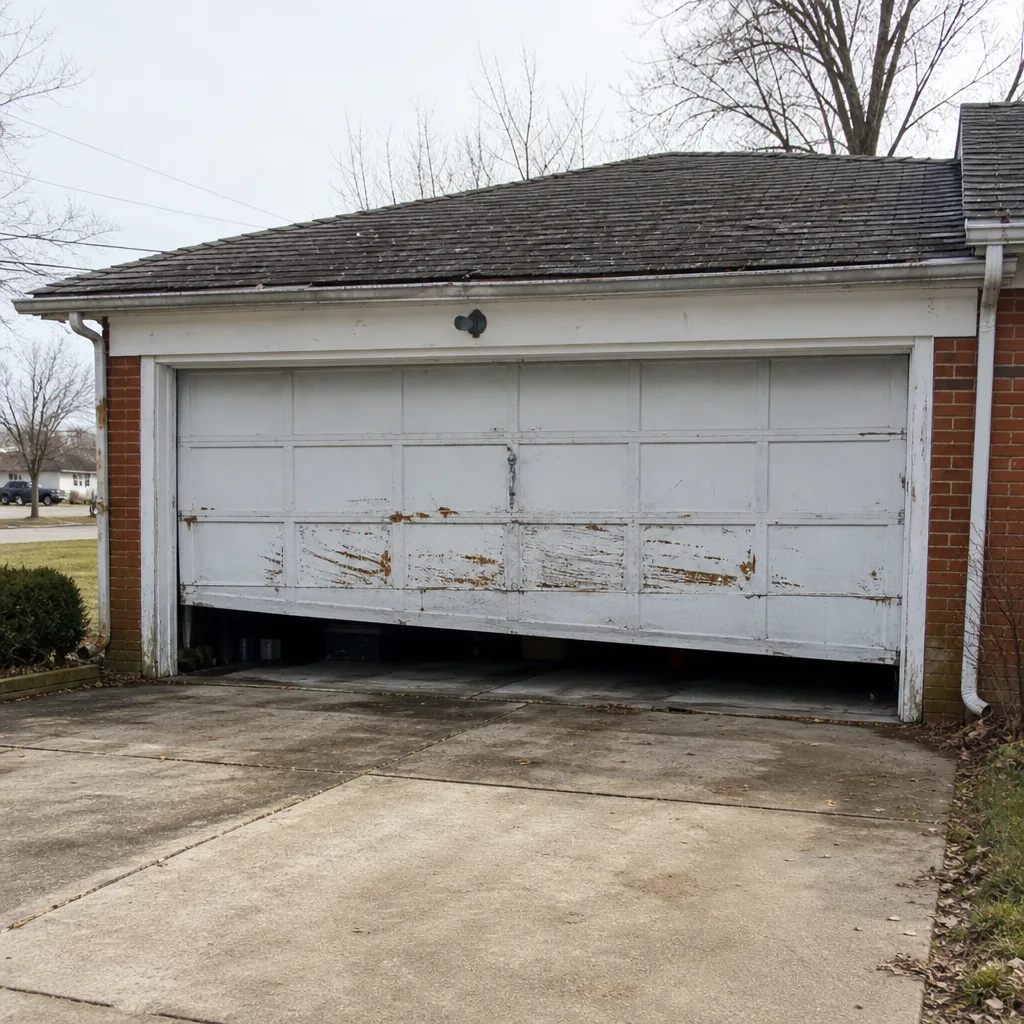 Before
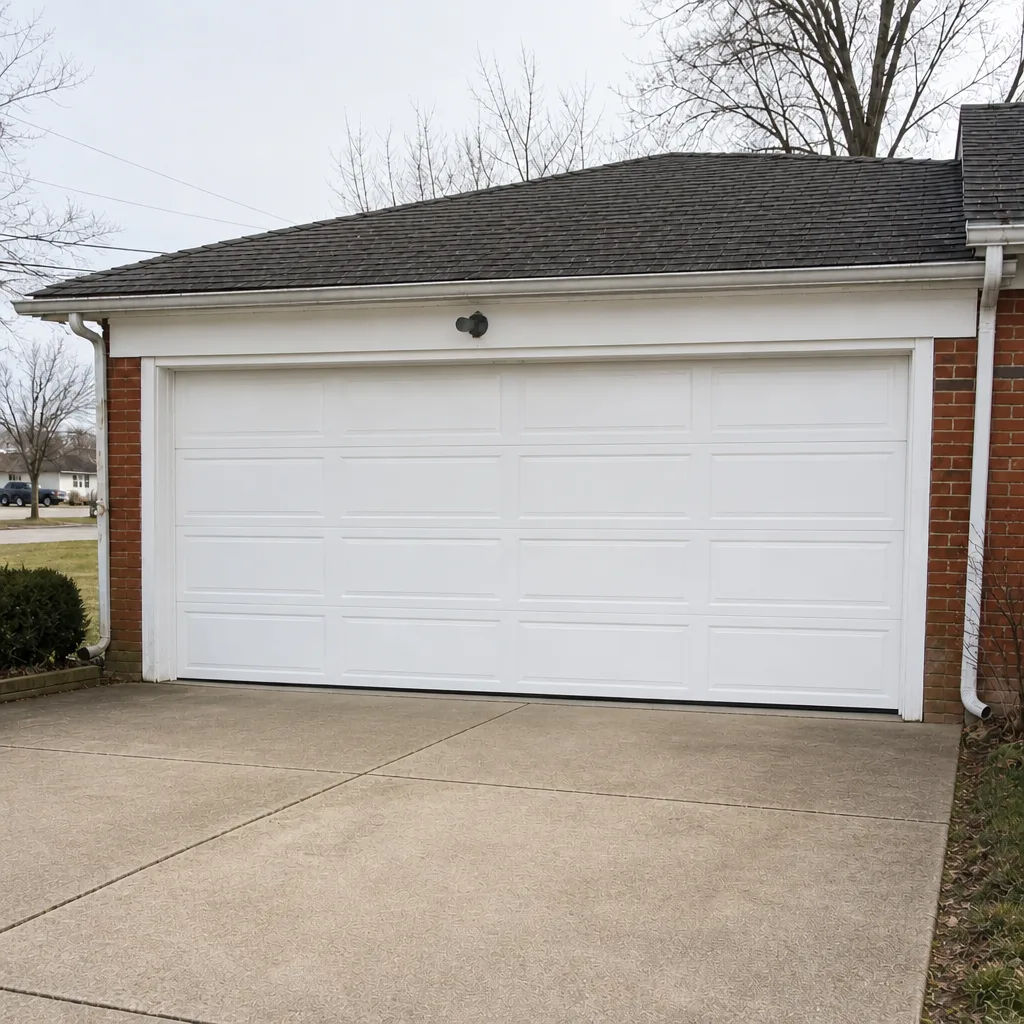 After
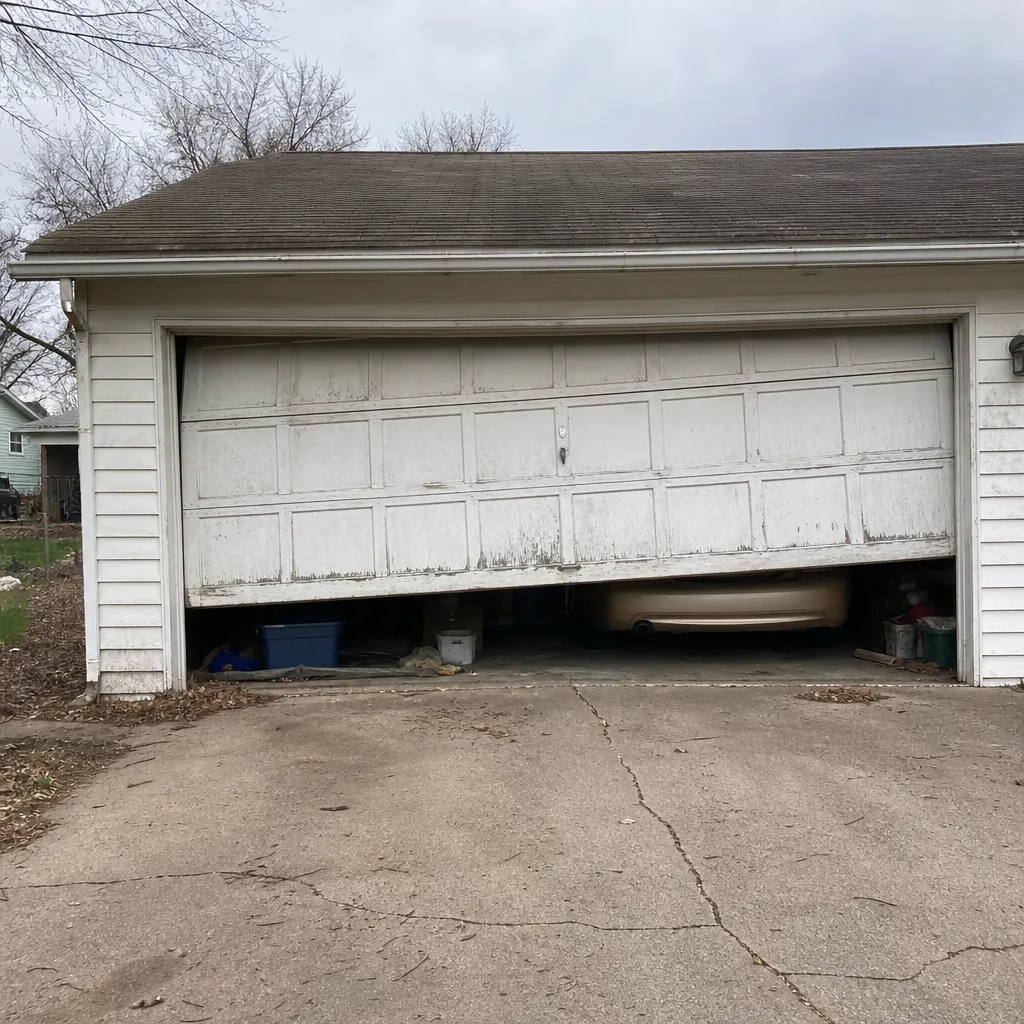 Before
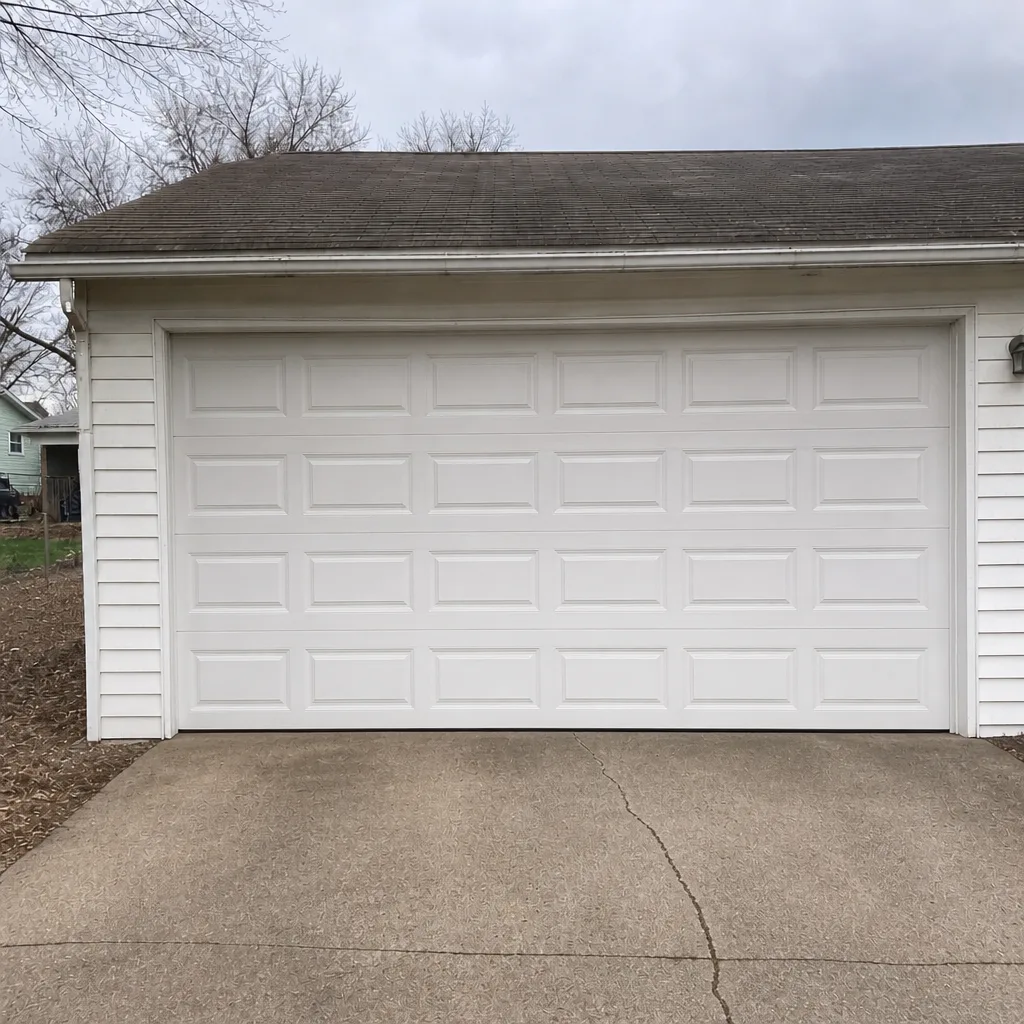 After
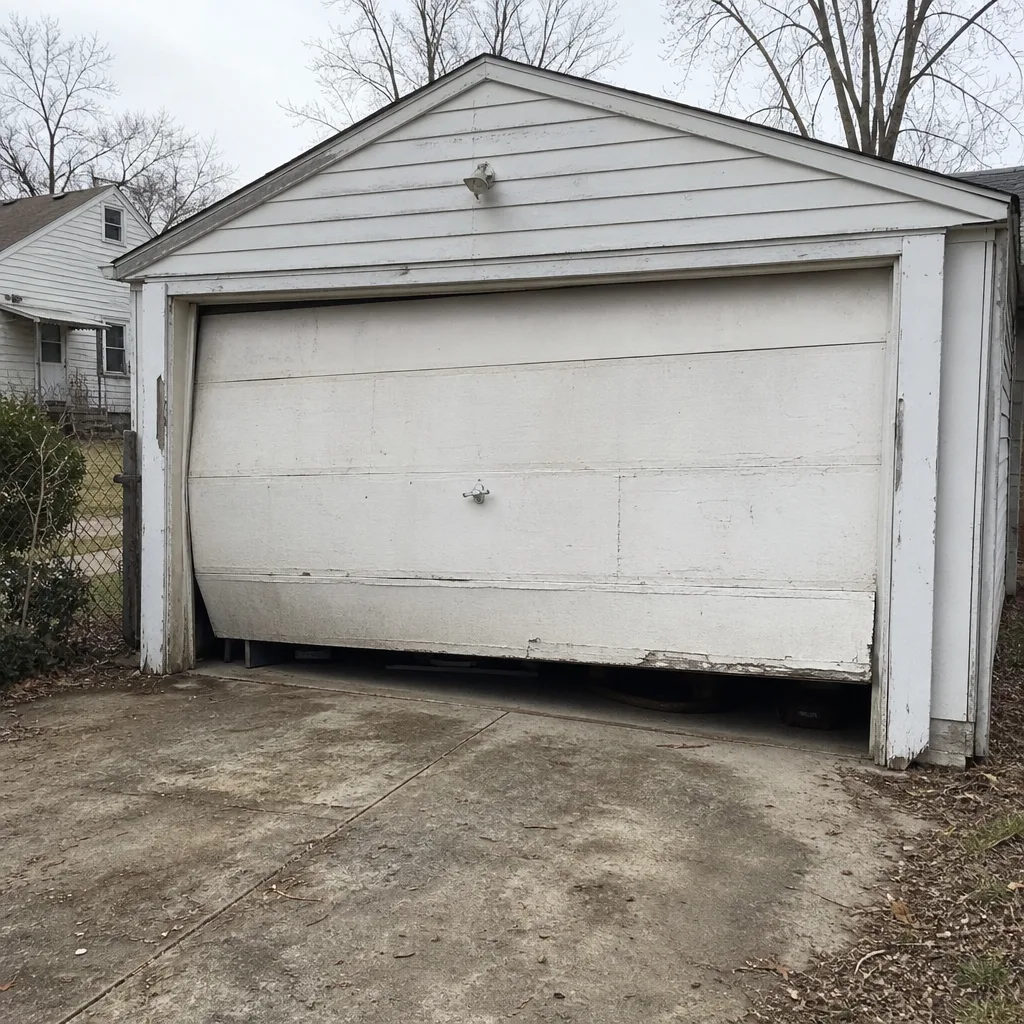 Before
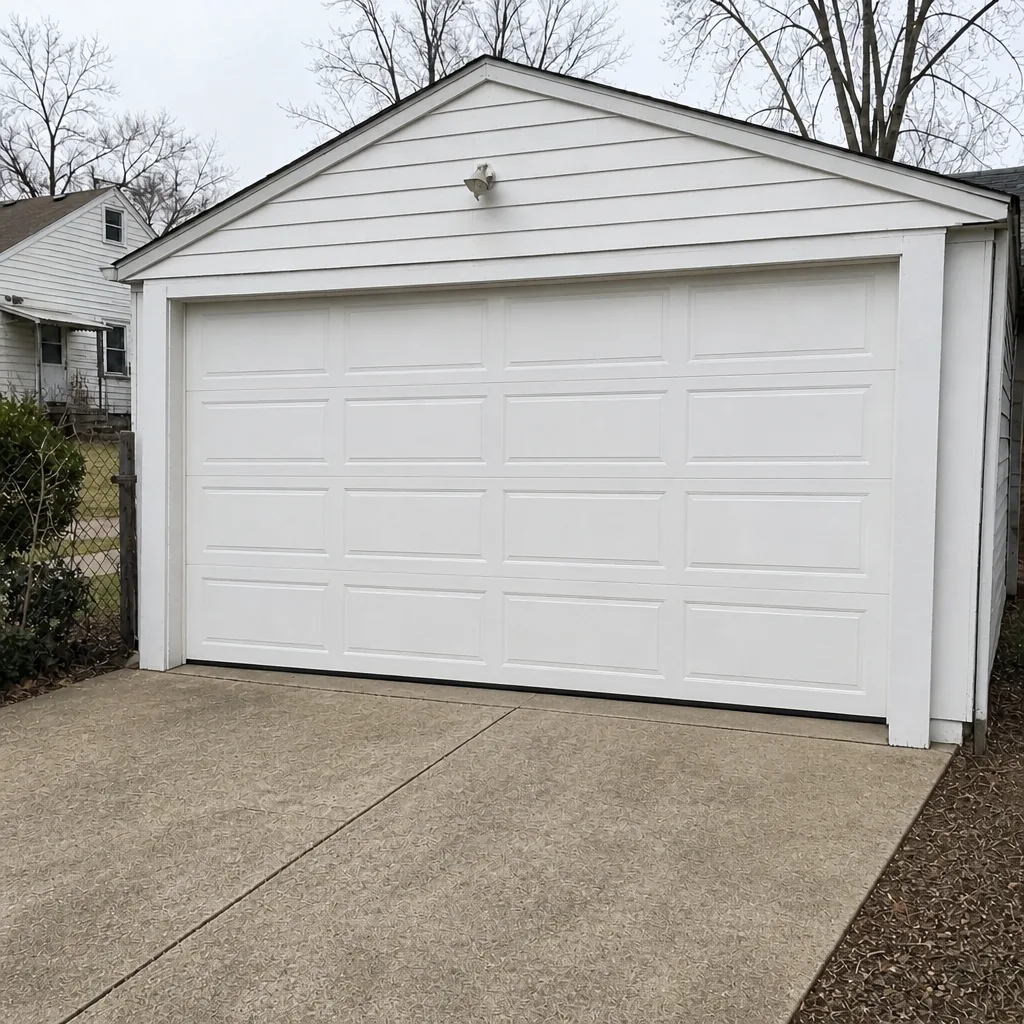 After
When to Call a Professional
Some garage door problems are safe to observe and some need a technician quickly. Call a professional for any broken spring, any snapped cable, any door that has come off its track, an opener that runs but won’t lift the door, or a door that fails the safety reverse test. Those are the cases where the risk isn’t just money; it’s injury or a door falling on a car. If you’re not sure what you’re looking at, that’s also a reason to call. Garage Door Repair Hilltop offers free estimates in Hilltop – call (866) 558-3346. We answer 24/7. Fast dispatch from 7am to 7pm, Sunday through Friday. Our technicians have up to 8 years of experience, and the written estimate always sets the price before any work begins. For the full range of services we offer, start with Garage Door Repair Hilltop.
Frequently Asked Questions
Typical spring replacement in Hilltop runs about $180 – $340 for a single torsion spring, or roughly twice that for a matched pair, which is usually the right call. Extension springs typically run $90 – $180 each. The written estimate sets the final price, and you’ll have it before any work starts. Call (866) 558-3346 for an exact quote – estimates are free.
No. The written estimate is agreed before any work starts, and the price you agree to is the price you pay. If a technician finds something that changes the job after starting, you hear about it before anyone continues, not after. Call (866) 558-3346 for a free estimate.
The local professionals we connect you with are licensed and insured as their state requires, and they’re vetted before we send them. We don’t hide the credential question behind vague language – ask and we’ll answer it plainly on the call. Call (866) 558-3346 to schedule.
Spring life is measured in cycles, not years, and Ohio’s temperature swings work the springs harder than a mild climate would. A door cycled a dozen times a day wears faster than one cycled twice. That’s why the right spring tension for the door’s weight matters more than the calendar. Call (866) 558-3346 if you’re hearing new noise or the door feels heavy.
We service equipment from eight of the most widely installed residential brands, including LiftMaster, Chamberlain, Genie, Craftsman, Raynor, and Clopay. If you know your model, mention it when you call; if you don’t, a photo of the label helps. A technician who already knows your system diagnoses faster. Call (866) 558-3346 to book.
Same-day service is often available for repair calls in Hilltop. We answer 24/7. Fast dispatch from 7am to 7pm, Sunday through Friday. A call outside dispatch hours is booked into the next opening, Sunday through Friday, 7am to 7pm. Call (866) 558-3346 and we’ll get you on the schedule.
The Bottom Line
Choose your garage door by the system underneath it, not the finish on top. Match the spring type to the door’s weight and your garage’s ceiling height, pick the drive type by whether the garage is attached and how heavy the door is, and pick the panel material by the garage’s layout and its role in your home’s thermal envelope. Repair wins when one clear part has failed; replacement wins when several have, or when the panels are warped. And leave the springs and cables to a technician, because they’re the one part of the system that can injure you. If you want the diagnosis done against the brand already in your garage, call Garage Door Repair Hilltop at (866) 558-3346 for a free estimate.
Written by the team at Garage Door Repair Hilltop.